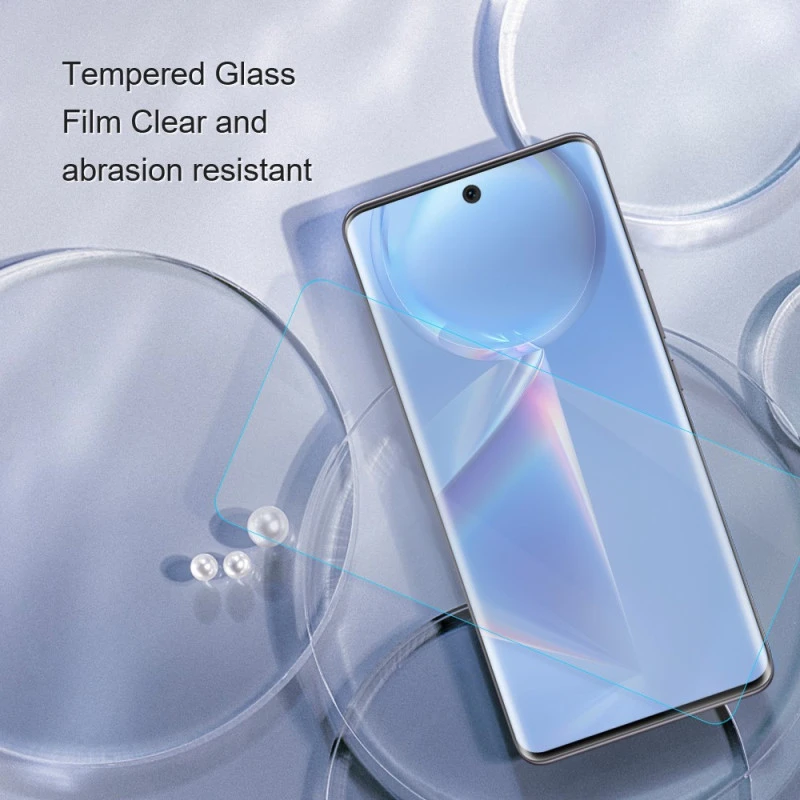
In the fields of smartphones, automobiles, and architecture, tempered glass has become a core material due to its high strength and high light transmittance. However, the brittleness and easy scratching of traditional tempered glass limit its application scenarios. In recent years, breakthroughs in flexible coating technology have given tempered glass higher durability, impact resistance, and versatility, becoming the focus of industry attention. This article will explore the technical principles, advantages, and practical applications of flexible coatings in depth, providing readers with a comprehensive technical analysis.
1. Synergy between tempered glass and flexible coating
Tempered glass is strengthened by high-temperature quenching process, but its surface is still susceptible to scratches or chemical corrosion. The introduction of flexible coating makes up for this defect, which is achieved through the following processes:
Surface strengthening: Applying nano-scale coatings (such as oleophobic coatings or super-hydrophobic coatings) after tempering can significantly improve the anti-fingerprint and anti-fouling capabilities of glass.
Multi-layer composite structure: For example, Optic+ nanoglass combines a tempered glass layer with a flexible film layer, which not only retains hardness but also enhances impact resistance.
Rapid thermal processing technology: Through the combination of spraying and heat treatment, a transparent super-hydrophobic coating is prepared, which greatly improves mechanical strength and weather resistance.
Core technical advantages of flexible coatings
High durability
Nano-level coatings (such as 9H hardness) can resist scratches from sharp objects and extend the life of the glass.
Multi-layer composite designs (such as glass sandwich films) can absorb the impact of drops and protect the integrity of the screen.
Versatility.
Oleophobic/hydrophobic performance: Reduce fingerprint residue and enhance self-cleaning ability, suitable for outdoor solar panels and other scenarios.
Optical optimization: Anti-reflective coatings can increase light transmittance (such as up to 94%) and are used in solar cells to improve energy efficiency.
Lightweight and flexibility
Ultra-thin glass (UTG) is less than 100 microns thick and has both flexibility and strength after coating. It is widely used in folding screen mobile phones (such as Huawei Mate X3).
Practical application cases
Consumer electronics field
Huawei Mate X3 uses UTG+ flexible coating technology to achieve lightweight and scratch-resistant folding screen.
Turtle brand 3D curved tempered glass protective film optimizes the touch experience through oleophobic coating and is compatible with a variety of flagship models.
New energy and construction field
Low-iron solar glass improves light transmittance and enhances the efficiency of photovoltaic modules through anti-reflective coating.
Superhydrophobic coating is used for architectural glass to reduce rainwater adhesion and dust accumulation, reducing maintenance costs.
Through technological upgrades and cross-field applications, flexible coatings are redefining the possibilities of tempered glass. Whether it is improving the user experience of electronic devices or promoting the development of renewable energy, this technology has shown huge market potential.