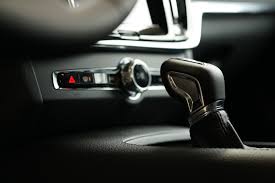
With the increasing demand for lightweight and environmental protection of automobiles, the application of UV curing resins in the field of automotive interior coatings is experiencing explosive growth. With its advantages of efficient curing, excellent performance and low environmental impact, it is gradually replacing traditional PU and water electroplating processes. This article deeply analyzes the technological breakthroughs, market trends and industry opportunities of UV coating resins to provide strategic reference for chemical companies.
1. Technical advantages: Why UV coating resins have become the industry's first choice?
Performance upgrade
UV-cured resins quickly polymerize through photoinitiators to form a high-hardness, scratch-resistant surface with excellent chemical resistance (such as detergents, sweat) and moisture resistance. For example, water-based UV transparent coatings can achieve a low-gloss matte effect, a smooth touch and extremely low VOC emissions.
Production efficiency innovation
Traditional PU coatings require heat curing for several hours, while UV coatings can be cured in just seconds to minutes, greatly shortening the production cycle. Dual curing technology combines UV and thermal reactions to further solve the problem of curing shadow areas of complex structural parts.
Environmental compliance
Water-based UV coatings use water as a diluent to avoid VOC pollution in traditional solvent-based coatings, which is in line with China's "14th Five-Year Plan" policy goal of 70% of environmentally friendly coatings.
2. Market trends: policy and demand drive
Replacing traditional processes
Replacing water electroplating: UV-PVD coating has no heavy metal pollution, and the decorative effect is comparable to electroplating. It has been applied to the interior of BYD, Zeekr and other models.
Replacing PU coating: Traditional PU coating is easy to re-stick and has poor scratch resistance. UV coating hardness can reach more than 3H, and the touch can be customized.
Regional market growth
Europe occupies a leading position in technology, while Asia has become the core of growth due to the outbreak of new energy vehicles. It is estimated that the annual compound growth rate of China's UV resin market will exceed 15% from 2023 to 2029.
Supply chain innovation
BASF, Allnex and other companies have jointly developed with customers through mergers and acquisitions (such as Chemetall) and launched brands such as Glasurit®, covering steel and plastic substrates. Local companies such as Zhongshan Jieshida focus on ultra-wear-resistant UV resins to meet the needs of 3C electronics and automotive interiors.
3. Application Scenarios and Challenges
Core Applications
Interior parts: Instrument panels, door trims, touch screens, etc. require high wear resistance, and UV coatings can resist frequent contact wear.
Exterior and electronic parts: Headlight covers, wheels, etc. are combined with UV ink markings to improve durability and aesthetics.
Technical Difficulties
Substrate Adaptation: The low surface energy of plastics (such as ABS and PC) requires primer pretreatment to ensure adhesion.
Defect Control: Mold temperature, laser engraving parameters, etc. affect the coating defect rate, and the process needs to be optimized through DoE experiments.
IV. Future Outlook: Intelligence and Sustainability Go Hand in Hand
Material Innovation
Acrylic resins dominate the market with their weather resistance and glossiness, while polyurethane-modified resins will expand high-flexibility scenarios.
Policy dividends
Emission reduction policies in various countries have accelerated the elimination of solvent-based coatings, and the penetration rate of UV curing technology is expected to increase from 19% in 2021 to 30% in 2025.
Industry Chain Collaboration
From resin synthesis to coating equipment, companies need to integrate resources to provide one-stop solutions. For example, Mitsui Chemicals' water-based RA7011 resin has been widely used on multiple substrates.
Automotive interior UV coating resin is not only a product of technological upgrading, but also a key track for the chemical industry to respond to green manufacturing. Enterprises need to keep up with policy guidance, strengthen R&D and customer cooperation, and seize market share with high-performance products. With the popularization of new energy vehicles and smart cockpits, the market size of UV coating resin is expected to exceed 10 billion.