


Technical Advantages of HM-101 Bifunctional Acrylate Monomer
Enhanced Mechanical and Optical Properties
HM-101's dual acrylate groups enable high crosslinking density, improving hardness (e.g., salt fog resistance) while maintaining flexibility. Its organic silicone hydrophobic chain reduces internal stress during curing, enhancing adhesion and water resistance-critical for humid environments like submarine fiber optics. Additionally, the monomer achieves a refractive index of 1.59–1.63, making it ideal for high-clarity optical films in OLED displays and anti-reflective coatings.
Eco-Friendly Synthesis
Unlike traditional methods using toxic isocyanates, HM-101's synthesis avoids organic solvents and corrosive agents, aligning with EU RoHS standards. This green approach ensures safety for both manufacturers and end-users.
Versatile Applications
Optical Films: HM-101's low viscosity (<15 mPa·s at 25°C) and superior wetting properties ensure uniform coatings on flexible substrates, reducing defects in foldable screens.
Fiber Optic Coatings: As a diluent, it minimizes signal loss while providing scratch resistance, crucial for 5G infrastructure.
Automotive Displays: Its high adhesion and thermal stability support durable, high-gloss panels.
Market Trends and Competitive Edge
The global UV-curable materials market is projected to grow at 4.6% CAGR through 2030, driven by demand in Asia-Pacific (76% market share) for consumer electronics and telecommunications. HM-101 stands out by addressing two key trends:
Sustainability: Compliance with low-VOC regulations appeals to North American and European markets.
High-Performance Demands: Its combination of high refractive index, low shrinkage, and rapid curing meets stringent requirements for 5G and foldable devices.
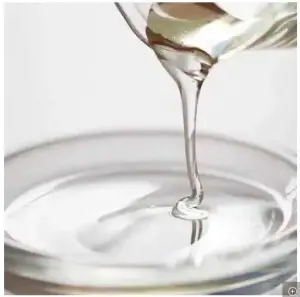
Why Choose HM-101?
Shenzhen U-Sunny's HM-101 offers a unique blend of:
Dual functionality: Two acrylate groups enhance resin compatibility and curing efficiency.
Superior durability: Achieves over 96% gel content with minimal water absorption (<0.87%).
Cost-effectiveness: Simplified synthesis reduces production costs compared to conventional multi-step methods.