


Cationic initiators for epoxy resins are revolutionizing industrial curing processes by enabling precise control, low-energy consumption, and environmentally friendly formulations. These specialized catalysts initiate polymerization through acid generation, making them indispensable for applications requiring deep curing, thermal stability, and minimal byproducts. This article explores the science, advantages, and cutting-edge applications of cationic initiators in epoxy systems.
Why Choose Cationic Initiators for Epoxy?
**1. Controlled Curing Dynamics
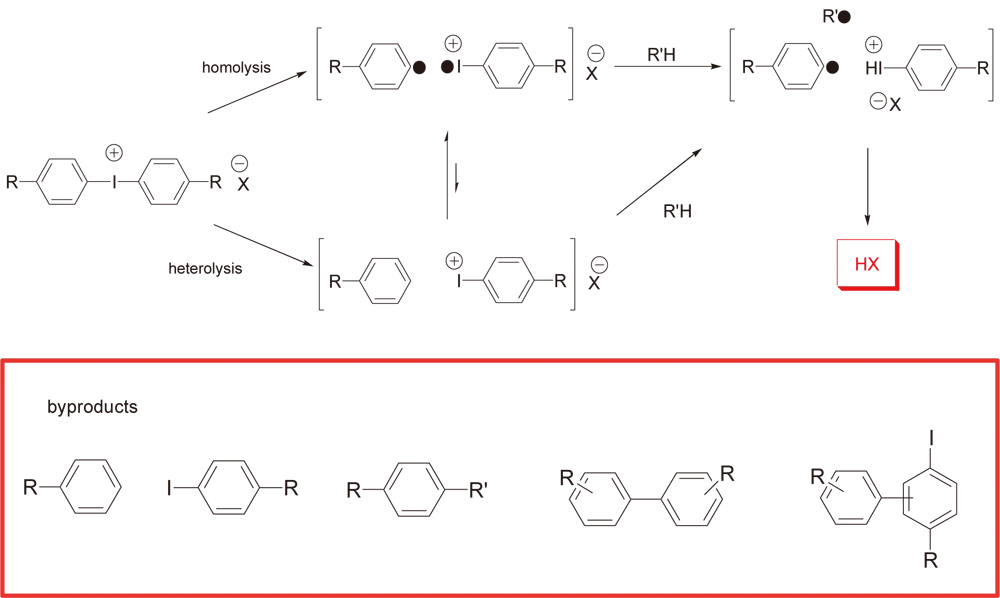
Cationic initiators (e.g., iodonium or sulfonium salts) release strong acids (e.g., HPF₆⁻) upon activation, triggering epoxy ring-opening polymerization. This mechanism offers:
Post-curing capability: Reactions continue even after energy input stops, ideal for thick coatings (>1 mm) or shadowed areas.
Temperature flexibility: Works in both UV (250–400 nm) and thermal (80–160°C) activation modes.
**2. Superior Material Properties
Low shrinkage: <2% volumetric shrinkage vs. 5–8% in radical systems, reducing stress cracks in electronic encapsulants.
Chemical resistance: Fully cured epoxies show 30% higher solvent resistance compared to amine-cured systems.
No oxygen inhibition: Unlike free-radical systems, cationic curing isn't hindered by atmospheric oxygen.
**3. Environmental Compliance
Benzene-free formulations: Eliminate hazardous aromatic byproducts (e.g., bisphenol A derivatives).
Low VOC emissions: Comply with EPA and REACH standards for coatings and adhesives.
Key Applications of Cationic Epoxy Initiators
**1. Electronics Encapsulation
In semiconductor packaging, cationic initiators ensure:
Precision curing: Penetrate micro-scale gaps without damaging heat-sensitive components.
Low ionic contamination: <10 ppm chloride equivalents, critical for high-frequency circuits.
**2. 3D Printing Resins
For stereolithography (SLA):
Deep-layer curing: Achieve 98% conversion in 300 μm layers using dual UV-thermal initiation.
Mechanical durability: Post-cured parts exhibit 25% higher tensile strength vs. acrylate-based resins.
**3. Aerospace Composites
High-Tg epoxies: Cationic systems yield glass transition temperatures up to 220°C (e.g., CTI-100 initiator).
Moisture resistance: <0.5% water absorption in cryogenic fuel tank coatings.
Technical Breakthroughs: Hybrid Initiators
Recent advances combine cationic and radical mechanisms for hybrid curing:
Dual-wavelength systems: UV (365 nm) initiates surface curing, while thermal activation (120°C) completes internal crosslinking.
Nanoparticle-enhanced initiators: Silica-supported sulfonium salts boost acid diffusion rates by 40% in opaque composites.
Case Study: Automotive Clear Coats
A leading OEM replaced traditional amine catalysts with UV cationic initiators (e.g., Uyracure-2500L), achieving:
50% faster curing: 2-minute UV exposure vs. 30-minute thermal bake.
Zero yellowing: Δb* <1.0 after 1,000 hours of UV aging (ASTM G154).
Reduced energy costs: $12,000/year savings per production line.
Future Trends in Cationic Initiation
Bio-based Acids:
Lignin-derived proton sources for sustainable initiators (patent-pending).
Smart Responsive Systems:
pH-triggered initiators enable self-healing coatings in corrosive environments.
AI-Driven Formulation:
Machine learning models optimize initiator/accelerator ratios for target gel times.
Cationic initiators for epoxy resins are redefining industrial curing with their versatility, efficiency, and eco-friendly profile. From microelectronics to aerospace composites, these catalysts address the growing demand for precision and sustainability. As R&D advances in bio-based materials and smart curing systems, cationic initiation will remain at the forefront of polymer science.