


In the evolving landscape of UV-curable materials, dual-functional acrylate resins are emerging as game-changers, particularly in hybrid formulations that combine radical and cationic curing mechanisms. These resins offer enhanced mechanical properties, adhesion versatility, and environmental stability, making them ideal for advanced applications in electronics, optics, and coatings .
Technical Advantages of Dual-Functional Acrylate Resins
Dual-functional acrylate resins leverage both UV and thermal curing pathways, enabling precise control over polymerization kinetics. Studies show that formulations integrating poly(ethylene glycol) diacrylate (PEGDA) with thermal initiators like AIBN achieve near-complete monomer conversion, resulting in superior tensile strength and reduced shrinkage . This dual-cure approach also mitigates challenges like oxygen inhibition and shadow curing, ensuring uniform material properties even in complex geometries .
For hybrid systems, key parameters include crosslink density, curing speed, and compatibility with epoxy components. Hyperbranched urethane acrylates, for instance, improve gloss and mechanical performance in wood coatings by enhancing oligomer blending .
Spotlight on U-Sunny's T-6139 Fluorinated Low-Refractive Index UV Resin
Shenzhen U-Sunny's T-6139 fluorinated acrylate resin exemplifies innovation in this space. Designed for optical and electronic applications, it features:
Low refractive index (1.41–1.45), critical for anti-reflective coatings on PET and TAC films.
Exceptional adhesion to challenging substrates like oxidized metals and polymers.
Chemical resistance to acids, alkalis, and solvents, ensuring durability in harsh environments .
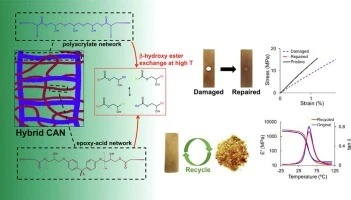
Compared to conventional resins, T-6139's fluorine modification reduces light scattering and improves UV stability, addressing demands in high-precision displays and flexible electronics. Market analysis highlights its growing adoption in Asia-Pacific regions, driven by semiconductor and fiber optic industries .