


In the rapidly developing industrial field, high crosslink density UV resin has become the technical core of the ink, adhesive and pressure-sensitive adhesive industries due to its excellent curing efficiency, mechanical strength and environmental resistance. This article will analyze how this material enables industrial upgrading from the perspective of technical characteristics, application scenarios and innovative product U-Sunny T-7660 multifunctional resin.
Technical advantages of high cross-link density UV resin
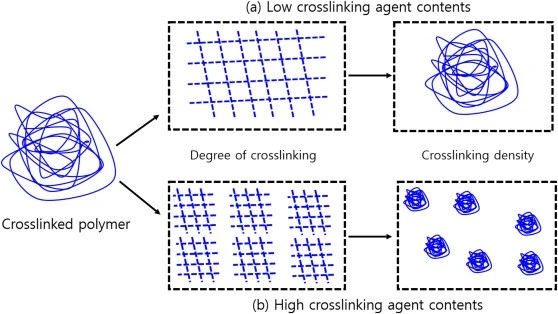
High cross-link density UV resin initiates polymerization reaction through ultraviolet light to form a dense three-dimensional network structure, giving the material the following characteristics:
High strength and durability: The increase in cross-link density significantly enhances the mechanical properties of the material, such as wear resistance, impact resistance and chemical corrosion resistance, and is suitable for industrial applications in harsh environments.
Fast curing: Under high-pressure mercury lamps or high-power LED light sources, the resin can be cured within seconds, greatly improving production efficiency.
Environmental protection: Solvent-free formula reduces VOC emissions, in line with the trend of green manufacturing.
Application scenarios: Diversified coverage from ink to pressure-sensitive adhesive
1. UV ink
High cross-linking density resins perform well in printing inks, especially for scenarios that require high adhesion and weather resistance, such as automotive metal coatings and electronic product shell printing. For example, the thickening thixotropic technology of domestic gas-phase silica combined with UV resin can further improve the leveling and anti-settling properties of inks.
2. Adhesives
In the fields of electronic packaging and medical equipment bonding, such resins achieve precise assembly through rapid curing. For example, UV glue can withstand high temperature aging in the bonding of automotive headlights, and there is no residue after curing, avoiding yellowing problems.
3. Pressure-sensitive adhesives
High-temperature resistant pressure-sensitive adhesives have been a hot topic in recent years. By introducing multifunctional cross-linking agents, the resin can still maintain stable adhesion at high temperatures, and there is no residual adhesive after peeling, which is suitable for aerospace and high-temperature industrial scenarios.
Innovative product recommendation: U-Sunny T-7660 multifunctional resin
U-Sunny T-7660 is a multifunctional UV resin designed for high performance requirements. Its core advantages include:
High reactivity: Contains multiple unsaturated bonds, and the crosslinking density is significantly improved after curing. The hardness can reach more than 3H, which is suitable for high wear-resistant coatings.
Wide compatibility: It can be compounded with systems such as acrylates and epoxy resins, and is suitable for a variety of formulations such as inks and adhesives.
Optimized temperature resistance: The adhesion time is more than 500 hours at 150°C, which meets the application of high-temperature scenes such as automotive engine compartments.
Future trends: efficient curing and sustainable development
As UV-LED technology matures, curing equipment is evolving towards low energy consumption and long life. For example, the performance of high-power LED light sources in deep curing is close to that of traditional mercury lamps, while reducing energy consumption by more than 30%. In addition, the introduction of bio-based raw materials (such as plant-derived monomers) will further promote the environmental protection upgrade of UV resins.
High cross-link density UV resin continues to expand its application boundaries through technological innovation, and the launch of products such as U-Sunny T-7660 provides the industry with high-performance solutions. Whether it is improving the durability of ink or optimizing the temperature resistance of pressure-sensitive adhesives, this material is redefining the standards of industrial bonding and coating.