


In the dynamic landscape of chemical and biomedical materials, hydrophilic ACMO (Acryloylmorpholine) has emerged as a game-changer, particularly in the development of hydrogel adhesives. This versatile monomer, with its unique amphiphilic structure combining a hydrophilic morpholine group and a hydrophobic carbon chain, offers unparalleled advantages in coatings, inks, adhesives, and biomedical applications. This article explores its properties, applications, and highlights Shenzhen U-Sunny's AM-318, a cutting-edge product leveraging ACMO's potential.
Why Hydrophilic ACMO Excels in Hydrogel Adhesives
Hydrophilic ACMO (CAS 5117-12-4) is a non-ionic, low-toxicity monomer renowned for its dual functionality. Its hydrophilic nature enhances water absorption in polymeric networks, critical for hydrogel adhesives that require controlled swelling and biocompatibility . Meanwhile, its hydrophobic carbon chain ensures structural stability in diverse environments. Key properties include:
Low viscosity and high dilution efficiency: Reduces system viscosity while maintaining compatibility with oligomers, pigments, and resins .
Rapid UV curing: Accelerates polymerization with minimal volume shrinkage, ideal for precision applications like 3D printing or medical devices .
Biocompatibility: ACMO-based polymers exhibit minimal toxicity and resist protein adsorption, making them suitable for wound dressings, drug delivery, and anti-fouling membranes .
In hydrogel adhesives, these traits enable strong adhesion to moist tissues, rapid hemostasis, and resistance to dynamic physiological conditions . For instance, ACMO-modified hydrogels can switch adhesion strength via temperature-responsive phase transitions, addressing challenges like environmental dehydration .
Applications Across Industries
Medical and Biomedical:
Hydrogel adhesives incorporating ACMO are pivotal in wound closure, surgical sealants, and implant coatings. Their ability to repel proteins and reduce inflammation aligns with demands for minimally invasive devices .
Coatings and Inks:
In UV-curable coatings, ACMO acts as a reactive diluent, enhancing adhesion to metals, plastics, and ceramics. Its compatibility with pigments improves color dispersion in inks for packaging and electronics .
Industrial Adhesives:
ACMO's resistance to solvents and acids makes it ideal for harsh environments. For example, it strengthens adhesives in automotive or aerospace components where durability is critical .
U-Sunny's AM-318: A Benchmark in Innovation
Shenzhen U-Sunny, a leader in UV-curable materials, has harnessed ACMO's potential in its AM-318 product. Designed for high-performance adhesives and coatings, AM-318 offers:
Fast curing under low-energy LED systems: Reduces production time while maintaining flexibility and adhesion .
Low skin irritation: Aligns with cosmetic and medical standards, suitable for nail gels or biocompatible hydrogels .
Superior mechanical strength: Resists cracking under stress, critical for industrial applications .
With over 20 years of expertise, U-Sunny tailors AM-318 for sectors like 3D printing, electronics, and healthcare, ensuring compliance with global regulatory standards .
Market Trends and Future Prospects
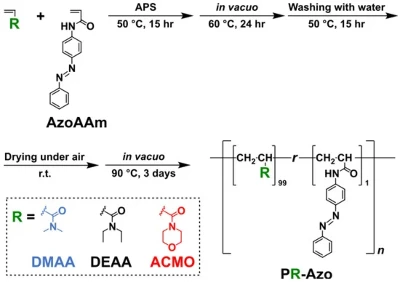
The global hydrophilic coatings market, valued at $17.25 billion in 2024, is projected to grow at 4.43% CAGR, driven by demand in medical devices and sustainable materials . ACMO's role in eco-friendly, low-VOC formulations positions it as a cornerstone of this expansion. Innovations like azobenzene-based photo-switchable hydrogels further highlight ACMO's adaptability in smart materials .
Conclusion
Hydrophilic ACMO's unique chemistry bridges performance and sustainability, making it indispensable in next-gen hydrogel adhesives. Shenzhen U-Sunny's AM-318 exemplifies how advanced formulations can meet rigorous industrial and biomedical demands. As industries prioritize eco-conscious solutions, ACMO-based products will remain at the forefront of material science innovation.
For more details on AM-318 and hydrophilic ACMO solutions, contact U-Sunny to explore tailored applications for your needs.