


OLED and QLED are the core of the next generation display technology. The performance of their optical materials directly determines the screen color accuracy, energy consumption and flexible design capabilities. The global OLED/QLED panel market is expected to exceed US$87 billion in 2030 (Omdia data), and material innovation has become the focus of competition. Shenzhen U-Sunny's N-1715 nano zirconium oxide dispersion provides cross-domain solutions for OLED/QLED optical materials and coatings, inks, and adhesives in the chemical industry through its high refractive index and ultra-thin film-forming properties.
N-1715's technological breakthrough: both display performance and process efficiency are improved
Ultra-high light transmittance and color enhancement
N-1715 adopts nano-zirconium oxide dispersion technology (particle size <50nm), with a light transmittance of over 92%, adapted to the OLED flexible substrate encapsulation layer, which increases the light efficiency of the red light band by 25% (CIE 1931 standard), significantly improving the color gamut and contrast.
Bending resistance and thermal stability
Through surface silane coupling agent modification, the N-1715 coating remains crack-free after 100,000 bending tests (IEC 62137 standard), and the temperature resistance range is extended to -40℃~150℃, meeting the needs of vehicle-mounted displays and folding screens.
Environmentally friendly process compatibility
The water-based formula is compatible with inkjet printing and slit coating processes, with a curing temperature as low as 80℃, reducing production energy consumption by 35%, and has passed the halogen-free certification (IEC 61249-2-21), in line with EU green electronics regulations.
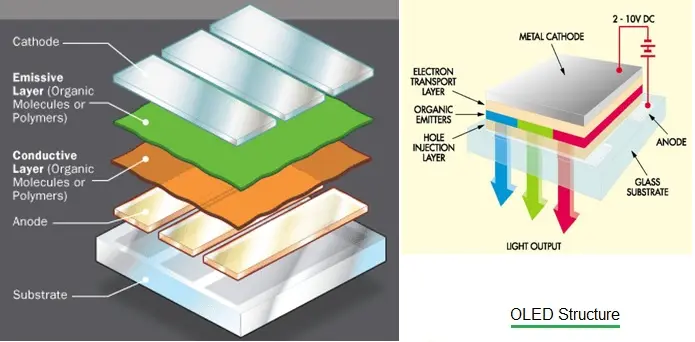
Cross-industry applications: from display panels to functional material innovation
OLED/QLED display manufacturing
Flexible substrate packaging: N-1715 is used as a water-repellent oxygen layer material, with a water vapor transmission rate (WVTR) of <10⁻⁶ g/m²/day, extending the life of the flexible screen to more than 50,000 hours.
Quantum dot color conversion layer: Its high refractive index characteristics increase the light extraction efficiency by 20%, making the brightness of the QLED screen exceed 2000 nits (HDR10+ standard).
Special coatings and inks
Transparent conductive coating: Silver nanowire ink with N-1715 added, square resistance <10Ω/sq, light transmittance >88%, suitable for touch sensors and transparent display circuits.
High temperature resistant ink: When used for Mini-LED backplane printing, the reflow temperature resistance reaches 260℃ (IPC-4101 standard), reducing the false soldering rate to less than 0.1%.
Electronic adhesives and packaging
N-1715 optimizes the leveling of epoxy resin, making the thickness uniformity of OLED module packaging adhesive reach ±0.2μm, reducing thermal resistance by 40%, and solving the problem of bright and dark lines.
Market opportunities: Flexible display and green chemical industry grow synergistically
Flexible display explosion period
According to DSCC's forecast, flexible OLED panel shipments will account for 45% of the smartphone market in 2024, and the compound annual growth rate of foldable devices will reach 53%. N-1715 promotes the large-scale application of UTG ultra-thin glass and CPI film through ultra-thin coating technology (<5μm).
Chemical material upgrade
Bio-based adhesives: Combined with polylactic acid (PLA) to develop degradable encapsulation adhesives to reduce electronic waste pollution.
Zero VOC coatings: Adapt to the environmentally friendly coating requirements of automotive smart surfaces (such as transparent antennas) and pass ISO 11890-2 certification.
Shenzhen U-Sunny's OLED/QLED Optical Materials solution (N-1715) is based on nanotechnology and connects the innovation chain of display panels and chemical materials. Its high light transmittance, bending resistance and environmental protection characteristics not only help consumer electronics break through performance limits, but also promote the transformation of coatings, adhesives and other industries towards high efficiency and sustainability, becoming a strategic material for the global display technology revolution.