


In industries ranging from optics to aerospace, low-shrinkage UV adhesives have become indispensable for bonding applications requiring dimensional stability and optical clarity. These adhesives minimize stress-induced deformation during curing, ensuring reliable performance in critical environments. Leading this innovation, U-Sunny's T-6602 high-refractive-index resin combines advanced acrylate chemistry with dual-curing technology, delivering unparalleled precision for optical and industrial applications. This article explores the science behind low-shrinkage UV adhesives, highlights the unique advantages of T-6602, and examines its role in modern manufacturing.
1. The Science of Low-Shrinkage UV Adhesives
Low-shrinkage UV adhesives are engineered to reduce volumetric contraction during polymerization, a common issue in conventional UV-curable resins. Shrinkage occurs as monomers crosslink into polymers, creating internal stresses that compromise bond strength and optical alignment. Innovations such as nanosilica fillers and dual-curing mechanisms (UV + thermal) address this challenge by distributing stress and enabling complete curing in shadowed areas.
For example, Master Bond's UV22DC80-1 adhesive achieves minimal shrinkage (≤1.5%) through cationic curing and nanosilica reinforcement, ensuring dimensional stability even in complex geometries. Similarly, U-Sunny's T-6602 resin leverages phenyl-modified acrylate technology to reduce shrinkage while maintaining a high refractive index (1.55+), making it ideal for optical bonding where clarity and precision are paramount.
2. Key Advantages of U-Sunny T-6602 Low-Shrinkage Resin
A. Ultra-Low Shrinkage and High Refractive Index
The T-6602 resin incorporates silicone-acrylate hybrids and phenyl groups, which reduce polymerization-induced shrinkage by up to 40% compared to traditional methacrylates613. Its high refractive index (1.55+) enhances light transmission efficiency, critical for LED encapsulation and optical fiber coatings.
B. Dual-Curing Mechanism
Like Master Bond's UV22DC80-1, T-6602 employs a UV/thermal dual-cure system. The adhesive rapidly fixtures parts under UV light and completes curing in shadowed areas at 80°C, ensuring uniform crosslinking and eliminating uncured zones. This process is particularly advantageous for bonding heat-sensitive substrates such as plastics or medical devices.
C. Thermal and Chemical Resistance
T-6602 withstands temperatures from -60°C to +175°C, outperforming many epoxy-based adhesives. Its chemical resistance to acids, solvents, and fuels ensures longevity in harsh environments, such as automotive or aerospace applications.
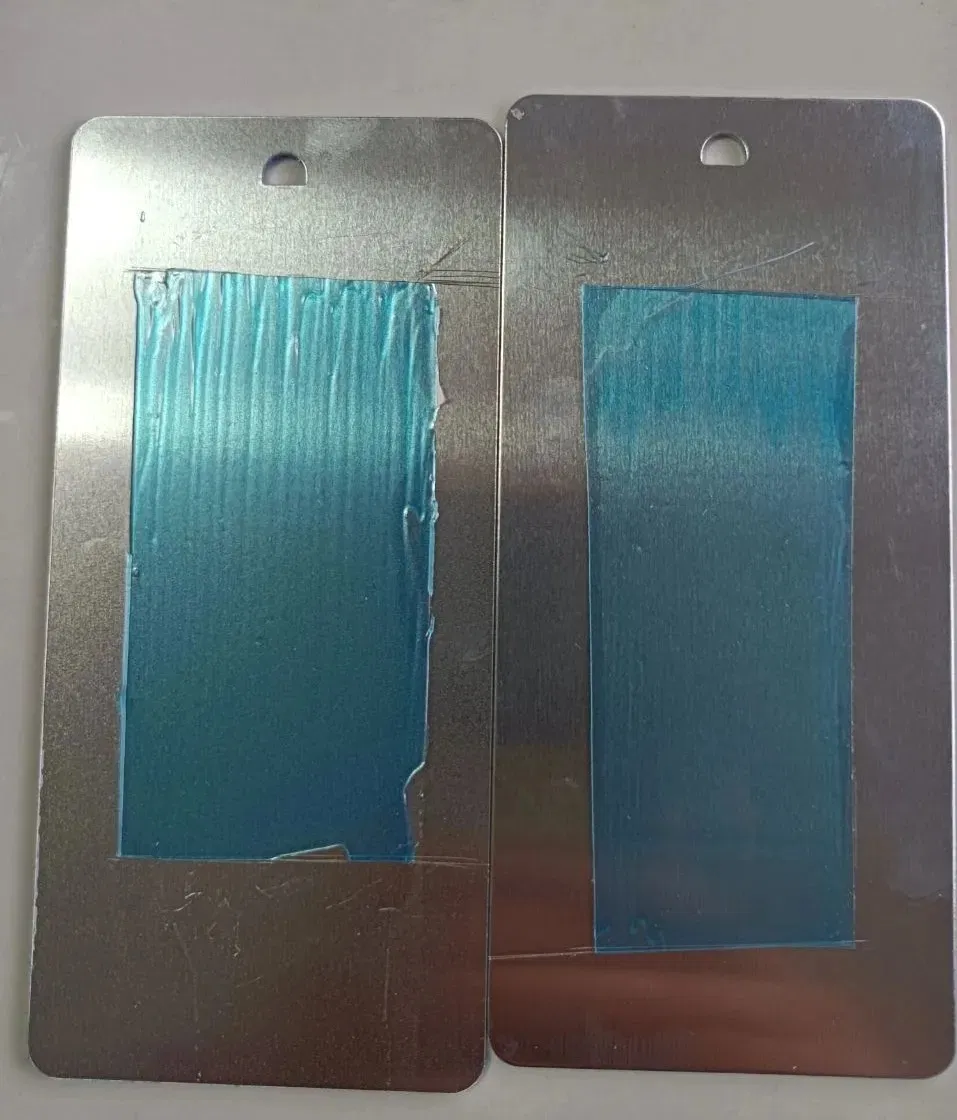
3. Industrial Applications of Low-Shrinkage UV Adhesives
Optics and Photonics: T-6602's high refractive index and low light scattering make it ideal for lens bonding, fiber optics, and AR/VR displays.
Electronics: Used in semiconductor packaging and PCB assembly, its electrical insulation properties prevent short circuits.
Medical Devices: Biocompatible formulations ensure safe use in surgical tools and imaging equipment.
Automotive: Resists thermal cycling and vibration in head-up displays (HUDs) and sensor modules.
4. U-Sunny T-6602 vs. Competing Solutions
While Master Bond's UV22DC80-1 excels in general-purpose bonding, U-Sunny's T-6602 specializes in high-refractive-index applications. Key differentiators include:
Superior Optical Clarity: Reduced light scattering (<0.1%) compared to silica-filled epoxies.
Eco-Friendly Formulation: VOC-free and compliant with RoHS/REACH standards.
Customizability: Compatible with additives like defoamers or pigments without sacrificing performance.
5. Future Innovations in Low-Shrinkage Adhesives
Emerging trends focus on:
Smart Nanocomposites: Integrating nanocellulose or fluorinated monomers to enhance mechanical strength and moisture resistance.
Multi-Stage Curing: Combining UV, thermal, and humidity-activated mechanisms for adaptive bonding in extreme conditions.
Conclusion
Low-shrinkage UV adhesives like U-Sunny T-6602 are redefining precision manufacturing with their blend of dimensional stability, optical excellence, and environmental resilience. As industries demand faster curing and higher performance, dual-cure systems and advanced acrylate chemistry will remain at the forefront of innovation.