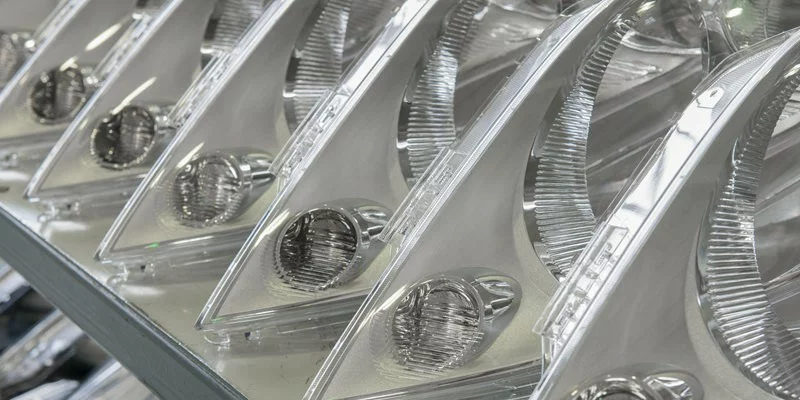
The integration of metal resin with vacuum metallization has emerged as a transformative approach in advanced material science, offering unparalleled performance in functional coatings for industries ranging from electronics to automotive manufacturing. This synergy combines the versatility of polymer-based resins with the precision of vacuum metallization-a process that deposits ultra-thin metal layers under controlled vacuum conditions. In this article, we explore the technological advancements, applications, and future trends of this hybrid solution, emphasizing its role in driving innovation within the chemical sector.
1. The Synergy of Metal Resin and Vacuum Metallization
Metal resins are polymer matrices infused with metallic particles or functional groups, providing enhanced conductivity, thermal stability, or catalytic properties. When paired with vacuum metallization-a technique that vaporizes metals (e.g., aluminum, copper) in a vacuum chamber to form nanoscale coatings-the resulting composite achieves exceptional adhesion, corrosion resistance, and aesthetic uniformity.
Key advantages include:
Lightweight Durability: Metal resins reduce component weight while maintaining structural integrity, ideal for aerospace and automotive parts.
Enhanced Conductivity: Metallized layers improve electrical pathways, critical for flexible electronics and printed circuits.
Environmental Resistance: Vacuum-deposited coatings protect against oxidation and chemical degradation, extending product lifespans.
2. Industrial Applications and Case Studies
A. Electronics and Organic Solar Cells
Vacuum-metallized metal resins are pivotal in organic electronics, such as solar cells. For instance, zwitterionic polymer interlayers with vacuum-deposited electrodes enhance energy conversion efficiency by optimizing charge transport and reducing interfacial resistance. Similarly, patterned metallization enables precise circuitry for wearable devices.
B. Automotive and Aerospace Components
Al-Si-Mg-Cu alloys, modified with resin-based coatings, demonstrate improved hardness and thermal stability post-vacuum metallization. This is crucial for engine parts and structural components subjected to extreme conditions.
C. Sustainable Packaging
Thin metal films on biodegradable resins reduce material waste while maintaining barrier properties against moisture and oxygen-a breakthrough for eco-friendly food packaging.
3. Overcoming Technical Challenges
While promising, the integration of metal resins with vacuum metallization faces hurdles:
Adhesion Issues: Inconsistent bonding between resin substrates and metal layers can lead to delamination. Solutions include plasma pretreatment or incorporating reactive monomers to strengthen interfaces.
Uniformity Control: Achieving nanoscale thickness uniformity requires advanced CFD modeling and adaptive vacuum chamber designs.
Cost Efficiency: Scaling production demands energy-efficient metallization systems and recyclable resin formulations.
4. Future Innovations and Sustainability Trends
The next decade will see:
Smart Coatings: Metal resins embedded with sensors or self-healing agents, activated by environmental stimuli.
Green Metallization: Transitioning to non-toxic metals (e.g., zinc) and bio-based resins to align with circular economy principles.
AI-Driven Process Optimization: Machine learning algorithms to predict coating behavior and defects in real time.
At U-Sunny , we specialize in metal resin with vacuum metallization technologies tailored to meet rigorous industrial standards.