


In today's fast-paced technological landscape, optical clarity enhancement coatings have become indispensable for industries demanding precision, durability, and superior light management. These advanced coatings minimize reflections, reduce glare, and enhance light transmission, making them vital for applications ranging from consumer electronics to medical imaging . This article explores the science behind these coatings, their diverse applications, and how Shenzhen U-Sunny's T-6141 low-refractive-index resin sets new benchmarks in performance.
The Science of Optical Clarity Enhancement Coatings
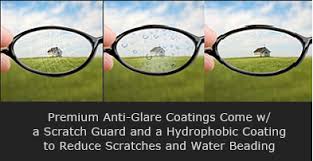
Optical clarity enhancement coatings are thin layers of specialized materials applied to optical surfaces to optimize light interaction. By leveraging principles of interference and refraction, these coatings reduce surface reflections, which typically cause light loss and visual artifacts like glare or ghosting . For instance, anti-reflective (AR) coatings, a subset of this technology, use materials like titanium oxide or zirconium oxide to achieve <1% reflectivity, ensuring over 98% light transmission in high-end camera lenses and AR/VR displays .
Key benefits include:
Enhanced Light Transmission: By minimizing reflections, coatings ensure brighter images and improved contrast, critical for microscopy and astronomy .
Durability: Hard coatings add scratch resistance, protecting surfaces in harsh environments like automotive sensors or outdoor displays .
Energy Efficiency: In solar panels, these coatings maximize light absorption, boosting energy output .
Applications Across Industries
Consumer Electronics: Smartphone screens, AR/VR lenses, and OLED displays rely on coatings to reduce glare and improve readability under sunlight.
Automotive: Head-up displays (HUDs) and LiDAR systems use coatings to maintain clarity in extreme temperatures and humidity .
Healthcare: Medical imaging devices benefit from coatings that enhance resolution while resisting chemical corrosion during sterilization .
T-6141 Low-Refractive-Index Resin: A Game-Changer
Shenzhen U-Sunny, a leader in UV-curable materials, has developed the T-6141 resin to address the growing demand for high-performance optical coatings. This product stands out due to its:
Ultra-Low Refractive Index (1.35): Ideal for minimizing light scattering in polymer-clad fibers and medical-grade optics .
Bio-Compatibility: Certified by USP Class 6 and RoHS, it ensures safety for healthcare and wearable devices .
Durability: Withstands temperatures up to 200°C and offers hydrolysis stability, making it suitable for marine electronics and automotive applications .
Compared to conventional resins, T-6141 reduces production time by 30% through rapid UV curing (<30 seconds at 365nm) and lowers material costs by 15–20% due to its low dosage requirements .
Market Trends and Competitive Edge
The global optical coatings market, valued at $12.9 billion in 2022, is projected to reach $23.3 billion by 2030, driven by advancements in 5G, IoT, and renewable energy . Shenzhen U-Sunny's T-6141 resin positions the company at the forefront of this growth, offering:
Custom Solutions: Tailored formulations for niche applications like foldable OLED screens or biomedical sensors .
Sustainability: Zero VOC emissions and compliance with REACH/RoHS standards align with global eco-friendly initiatives .
Why Choose Shenzhen U-Sunny?
With over 20 years of expertise in UV-curable technologies, Shenzhen U-Sunny combines R&D innovation with scalable production. Their T-6141 resin exemplifies their commitment to solving industry challenges, from enhancing optical clarity to enabling next-gen wearable tech .
Conclusion
Optical clarity enhancement coatings are transforming industries by delivering unmatched visual performance and durability. Shenzhen U-Sunny's T-6141 low-refractive-index resin exemplifies how cutting-edge materials can drive innovation, offering a blend of efficiency, sustainability, and versatility. As the demand for precision optics grows, solutions like T-6141 will remain pivotal in shaping the future of technology.