


Tetrahydrofurfuryl alcohol (THFA), a versatile organic compound with the molecular formula C₅H₁₀O₂ , is gaining prominence in advanced technologies, including lithium-ion batteries and industrial materials. This article explores THFA's role in energy storage systems like lithium-ion batteries, its applications in coatings, inks, and adhesives, and highlights Shenzhen U-Sunny's AM-314 product-a cutting-edge solution for modern manufacturing challenges.
THFA in Lithium-Ion Batteries: Enhancing Performance
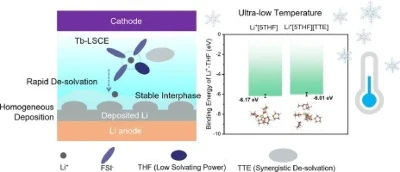
THFA's unique properties, such as high solubility and thermal stability, make it a valuable additive in lithium-ion battery electrolytes. Research shows that THFA-based electrolytes improve ionic conductivity and reduce lithium dendrite formation, enabling safer and more efficient batteries . For instance, when combined with liquefied fluoromethane (FM), THFA enhances lithium salt solubility, achieving a 99.6% Coulombic efficiency at 0.5 mAh/cm² capacity . Its ability to form stable solid-electrolyte interphases (SEI) also prolongs battery cycle life, even under extreme temperatures .
In polymer electrolytes, THFA derivatives like tetrahydrofurfuryl acrylate (THFA monomer) are used to create flexible, high-conductivity membranes. These materials enable solid-state lithium-metal batteries with 85.9% capacity retention after 300 cycles , making them ideal for electric vehicles and portable electronics.
THFA in Industrial Applications: Coatings, Inks, and Adhesives
Beyond energy storage, THFA excels in the chemical industry due to its solvent capabilities and compatibility with diverse substrates:
Coatings: THFA enhances UV-curable coatings by improving adhesion to plastics (e.g., PVC, PET) and reducing shrinkage during curing. Its polar groups form physical anchors with substrates, minimizing peeling risks .
Inks: As a low-viscosity diluent, THFA ensures smooth dispersion in printing systems, delivering high-gloss finishes and rapid curing times .
Adhesives: THFA-based formulations offer superior flexibility and stress resistance, critical for automotive and consumer electronics assembly .
Shenzhen U-Sunny's AM-314 acrylic monomer leverages THFA's advantages. Designed for UV coatings and adhesives, AM-314 features:
Plastic-swelling technology: Creates micro-rough surfaces on TPU/PVC for stronger adhesion .
Low shrinkage: Reduces internal stress in cured layers, preventing cracks .
Environmental compliance: Eliminates volatile organic compounds (VOCs), aligning with green manufacturing trends .
Future Prospects and Sustainability
The global demand for THFA is driven by its eco-friendly profile and adaptability. As industries prioritize sustainability, bio-based THFA derivatives are expected to dominate markets like biodegradable packaging and renewable energy systems . Shenzhen U-Sunny's innovation in AM-314 underscores this shift, offering scalable solutions for high-performance, low-environmental-impact production.
Conclusion
THFA's dual role in lithium-ion batteries and industrial materials highlights its transformative potential. From boosting battery efficiency to enabling durable coatings and adhesives, THFA is a cornerstone of modern chemistry. Shenzhen U-Sunny's AM-314 exemplifies how targeted molecular design can address technical challenges while meeting sustainability goals. For industries seeking advanced, reliable materials, THFA and AM-314 represent the future of innovation.