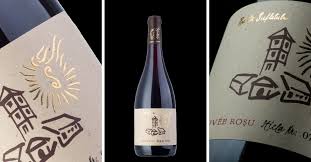
In the field of high-end wine label printing, UV ink is becoming the technical focus of the chemical industry due to its excellent printing performance and environmental protection characteristics. This article deeply discusses the application value of UV ink in wine labels from the aspects of technical principles, environmental advantages, market trends and composition analysis.
Technical advantages of UV ink: high precision and efficient production
UV ink is cured instantly by ultraviolet rays to form a wear-resistant and chemical-resistant ink layer, which is particularly suitable for wine labels that need to be preserved for a long time. Its curing speed can reach 16,500 sheets per hour, greatly shortening the delivery cycle. Compared with traditional solvent-based inks, UV inks have a solid content of nearly 100%, and the printed ink layer is thick and colorful, which can achieve special effects such as relief and grating. For example, the UV three-dimensional grating ink developed in China realizes transparent film printing through its high solid content characteristics and is widely used in high-end label design.
Environmental performance: low VOCs emissions and compliance
According to the standards of the Ministry of Ecology and Environment of China (GB 38507-2020), the VOCs content limit of UV ink is 2%, which is more than 80% less than that of solvent-based ink. Component analysis shows that UV ink mainly contains acrylic resin (30%-50%), photosensitizer (5%-20%) and monomers, and volatile substances are mainly polymerized monomers, with a comprehensive removal efficiency of more than 60%. This feature makes it meet the strict regulations on food packaging safety in the EU and North American markets, such as low migration requirements.
Market growth and industry applications
The global demand for UV inks has an annual growth rate of 14%-15%, far exceeding that of traditional inks. Especially in the field of wine labels, UV flexo printing (UV Flexo) supports multi-color overlay, hot stamping and embossing in-line processing, which improves product recognition. US market data shows that the consumption of UV inks in label printing has increased by 15% annually, mainly used in synthetic materials and paper labels.
The core components of UV ink are oligomers and monomers, and their rheological properties directly affect the printing quality. The latest technology improves adhesion by adjusting the functional groups of acrylic resins (such as epoxy-modified resins containing 2-3 vinyl groups). Although UV inks have the shortcomings of high cost and high energy consumption, the promotion of LED-UV technology is expected to reduce energy consumption and expand its application in heat-sensitive materials (such as PE and PVC films).
UV inks are reshaping the wine label printing industry with their technological innovation and environmental compliance. As the global market demand for sustainable solutions grows, we will continue to research and develop new products.