


In the field of electronic equipment, automotive displays and optical instruments, anti-glare film coating monomers have become a hot spot in material research and development because of their key role in reducing screen reflection and improving visual clarity. This article combines Shenzhen U-Sunny's LM-302 low-refractive index monomer technology to analyze its innovative applications and future trends in anti-glare films.
1. Technological breakthrough of low refractive index monomer
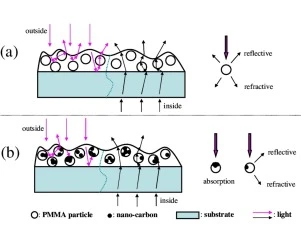
The core of anti-glare film is to reduce the reflectivity of light through coating materials. The LM-302 low refractive index monomer (refractive index 1.42-1.45) developed by Shenzhen Youyang adopts a special modified acrylate structure to significantly reduce the scattering effect of light at the interface, and at the same time increase the light transmittance to more than 97% through molecular-level design. Compared with traditional materials, LM-302 maintains a low refractive index while enhancing the weather resistance and anti-yellowing ability of the coating. It can maintain stability even under high temperature or long-term ultraviolet radiation, and is suitable for high-demand scenes such as outdoor display screens.
In addition, the monomer achieves efficient molding of the coating (curing time is shortened to within 10 seconds) by optimizing the curing rate and cross-linking density, and reduces internal stress and the risk of film cracking, providing reliable protection for precision optical devices.
2. Multi-field application of anti-glare film
Consumer electronic screens: Smartphones, tablets and other devices can effectively suppress ambient light reflection and improve outdoor visibility through LM-302 coating. For example, the popular anti-glare film on the DHgate platform uses similar technology to keep the screen clear under strong light.
In-vehicle display system: The central control screen of Tesla and other models uses a low-refractive index coating to reduce glare interference during driving. The high temperature resistance of LM-302 (tolerance to 150°C) further adapts to the complex environment in the car.
Medical and industrial equipment: Microscopes and testing instrument screens require high light transmittance and low reflection. Youyang's monomer materials meet special optical needs through customized formulas.
3. Technology Trends and Environmental Innovation
With the popularity of Mini LED and AR/VR devices, the market demand for ultra-thin, flexible anti-glare coatings has surged. Shenzhen Youyang has responded to the global trend of green manufacturing by improving the environmental protection of LM-302 monomers (such as solvent-free formula), and has developed elastic coating technology suitable for flexible screens to break through the limitations of traditional hard film layers. In addition, the company is exploring the path of compounding with nanomaterials to further enhance additional functions such as anti-fingerprint and scratch resistance.
The technological evolution of anti-glare film coating monomers is driving the display industry towards higher definition and user experience. Shenzhen Youyang has demonstrated its full-chain capabilities from basic research and development to commercialization with innovative products such as LM-302. In the future, with the explosion of 5G and IoT devices, the customization and multifunctional integration of low-refractive-index materials will become the core of competition.