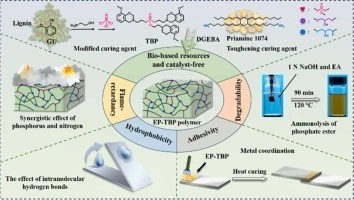
In the field of industrial manufacturing and materials science, the performance of curing agents directly affects the durability and reliability of products. In recent years, migration-resistant curing agents have become a key technology to improve material stability due to their ability to effectively inhibit the migration of components during the curing process. Especially in the fields of coatings, electronic packaging, building structures, etc., migration-resistant curing agents solve the problem of performance degradation caused by migration of traditional curing agents by optimizing the cross-linking network of materials. This article will analyze its mechanism of action, technological innovation, application scenarios and market prospects to provide in-depth insights for the industry.
1. The core role and mechanism of anti-migration curing agent
Anti-migration curing agent forms a stable three-dimensional network structure during the curing process of the material through chemical bonding or physical adsorption, thereby inhibiting the diffusion and loss of active ingredients (such as additives, catalysts). Its core advantages are reflected in the following aspects:
Improving material stability: By reducing the migration of components, it prevents the performance degradation of materials due to local uneven concentration, such as the reduction of glossiness of coatings or the reduction of insulation of electronic packaging materials.
Enhancing weather resistance: In extreme temperature or humidity environments, anti-migration curing agents can maintain the mechanical strength and chemical inertness of materials and extend product life.
Environmental protection and safety: Some traditional curing agents may release harmful substances after migration, while anti-migration design can reduce the risk of environmental pollution, which is in line with the trend of green manufacturing.
2. Technological innovation and material optimization
In order to meet the needs of diversified applications, the technical research and development of anti-migration curing agents focuses on molecular structure design and composite functionalization:
1. Modification of polymer-based curing agents
By introducing polymer chains with higher cross-linking density (such as epoxy resins and polyurethanes), the density of the curing network is enhanced. For example, the epoxy acrylate curing agent modified by nano-SiO₂ improves the dispersibility through surface anchoring technology, which significantly improves the impact resistance and heat resistance of the coating.
2. Intelligent responsive curing agent
Combined with thermosensitive or photosensitive groups, materials that can dynamically adjust the curing behavior are developed. Such curing agents are activated under specific environments (such as UV light) to achieve the dual goals of precise curing and migration inhibition.
3. Composite functionalization design
Integrate other properties on the basis of anti-migration, such as conductivity (for electronic adhesives) or corrosion resistance (for marine engineering coatings). For example, silver-loaded silica composite particles not only inhibit migration, but also achieve antibacterial effects through the sustained release of silver ions.
3. Key application scenarios and cases
Anti-migration curing agents have been applied on a large scale in many high value-added fields:
Electronic packaging: In semiconductor packaging, the high stability of the curing agent can prevent circuit short circuits caused by the migration of conductive adhesive components and improve device reliability.
High-performance coatings: Anti-migration curing agents used in automotive and aerospace coatings can reduce the decomposition of components caused by ultraviolet rays and maintain the color and adhesion of the coating.
Building reinforcement: In the treatment of soft rock slopes, polymer-based curing agents enhance the long-term stability of rock structures by inhibiting the loss of components.
Concrete protection: Used in conjunction with migration-type rust inhibitors to prevent steel corrosion while reducing the migration of the curing agent itself and extending the life of the building.
4. Market Prospects and Challenges
According to industry forecasts, the global curing agent market size will exceed US$15 billion in 2025, among which the anti-migration type has a compound annual growth rate of more than 8% due to high technical barriers and clear demand. Driving factors include:
Emerging industry demand: New energy vehicles and 5G communication equipment rely on high-reliability materials;
Environmental protection regulations: EU REACH and other regulations restrict the migration of hazardous substances, forcing companies to adopt environmentally friendly curing agents14;
Technology substitution potential: gradually replace formaldehyde-containing curing agents in traditional fields (such as wood coatings).
However, technical challenges still exist:
Long-term stability verification: The durability of some new curing agents requires longer testing;
Cost control: The preparation cost of nanomaterials or smart curing agents is high, which limits the speed of popularization.
5. Future Development Direction
Bio-based and degradable materials: Develop curing agents based on plant extracts to reduce carbon footprint;
Digital process optimization: Use AI to simulate molecular structure and curing dynamics to accelerate the development of high-performance products;
Multifunctional integration: Integrate anti-migration performance with self-healing, conductivity and other properties to expand application boundaries
As an important breakthrough in materials science, anti-migration curing agents are driving industrial manufacturing towards high efficiency, environmental protection, and intelligence. Driven by both technological iteration and market demand, their application scope will be further expanded to cutting-edge fields such as medical equipment and flexible electronics. Enterprises need to closely follow technological trends to seize the opportunity in this "blue ocean" market.