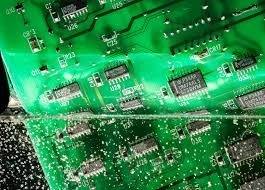
As electronic products develop towards lighter, thinner and more high-performance, transparent coating resin has become one of the key materials in the chemical industry. Its application in the fields of electronic equipment protection, electromagnetic shielding, and optical performance improvement has not only promoted technological innovation, but also brought sustained growth momentum to the market. This article will analyze this field in depth from three aspects: material properties, application scenarios, and industry trends.
1. Core characteristics and material selection of transparent coating resin
The transparent coating resin needs to take into account high light transmittance, weather resistance, conductivity and mechanical strength. The current mainstream resin types include:
Epoxy resin
With excellent chemical corrosion resistance, wear resistance and high adhesion, epoxy resin is widely used in circuit board packaging and electronic component protection. However, its brittleness and insufficient thermal stability are often solved by adding silicone or polyurethane modification.
Silicone resin
It has high flexibility, high temperature resistance (-50°C to 200°C) and UV resistance, suitable for scenes requiring long-term stability such as LED packaging and flexible display screens. Its low viscosity also facilitates precision coating.
Polyurethane resin
Strike a balance between optical transparency and impact resistance, and is often used in touch screen protective layers and wearable device housings.
Acrylic resin
As a transparent thermoplastic material, it is suitable for consumer electronics that require a high gloss surface.
Technological breakthroughs: Hybrid resins developed in recent years (such as inorganic-organic hybrid materials) have further improved conductivity and environmental adaptability. For example, transparent conductive coatings (TCOs) with added nano-oxides have been used in solar cell electrodes and transparent circuits.
2. Key application scenarios in the electronics industry
Electromagnetic interference (EMI) shielding
Transparent coating resins achieve electromagnetic wave shielding by incorporating conductive pigments (such as silver nanowires) to protect medical devices and precision electronic components.
Optical component protection
LED packaging requires resins with high light transmittance (>93%) and anti-yellowing ability. Two-component silicone resins are the first choice because they can penetrate complex structures and form a bubble-free protective layer.
Flexible electronics and wearable devices
The flexibility of silicone and polyurethane resins supports the development of flexible circuits and curved screens, while withstanding corrosive media such as sweat.
Quick repair and environmental protection needs
Some silicone coatings support local repairs and reduce electronic waste; water-based resins and low-VOC formulas respond to environmental regulations.
3. Market drivers and future trends
Growth momentum
The iteration of consumer electronics (such as foldable screen mobile phones, AR/VR devices) drives the demand for high-performance resins.
The demand for lightweight and high-temperature resistant materials in the fields of new energy vehicles and aerospace.
The popularization of 5G communications has given rise to the demand for EMI shielding in higher frequency bands.
Challenges and innovations
Technical bottlenecks: There is still a need to break through the balance between transparency and conductivity, such as the development of new transparent conductive oxides (TCOs).
Patent competition: Patented technologies such as low-viscosity silicon steel coatings and environmentally friendly adhesives have become the focus of corporate layout.
Sustainable development direction
Bio-based resins and recyclable coating solutions are gradually emerging, such as the ClearResin V5 launched by Formlabs, which reduces material waste by optimizing the formula.
Through technological innovation and market insights, clear coating resins will continue to empower the electronics industry and become a benchmark for high value-added growth in the chemical industry.