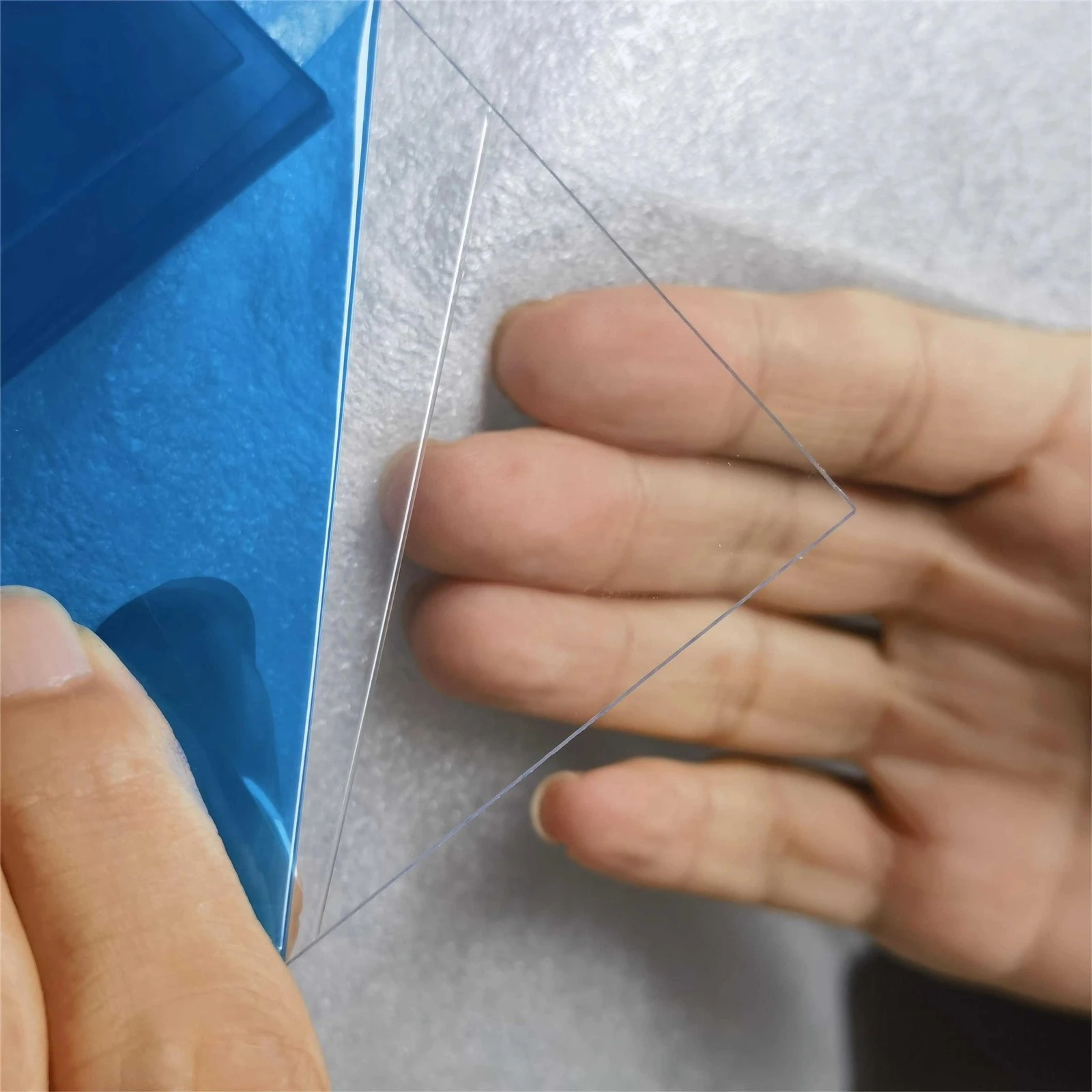
In the chemical industry, PMMA (polymethyl methacrylate) is widely used in laboratory equipment, automotive parts, electronic display screens and other fields due to its high transparency, weather resistance and chemical stability. However, under long-term exposure to strong acid or ultraviolet rays, the PMMA surface is easily corroded, resulting in performance degradation. For this reason, acid-resistant UV coating has become a key technology to improve the durability of PMMA. This article will explore the technical principles and core advantages of this coating in depth, and analyze how it meets the stringent needs of the chemical industry.
1. PMMA material properties and acid resistance challenges
PMMA itself has good acid and alkali resistance and can resist inorganic acids, alkalis and some solvents. However, in a high-concentration acid environment or oxidizing acid (such as concentrated sulfuric acid), its surface may still corrode or atomize. In addition, long-term exposure to ultraviolet rays will cause the material to turn yellow and affect the optical properties. Therefore, a coating with both acid-resistant protection and UV resistance becomes the key to extending the service life of PMMA.
2. Technological breakthroughs in acid-resistant UV coatings
1. Composite resin system: the key to balanced performance
The core of acid-resistant coatings lies in resin selection:
Epoxy acrylate: provides high cross-linking density, forms a dense barrier, and effectively blocks acid penetration.
Polyurethane acrylate: enhances coating flexibility, avoids brittle cracking, and improves wear resistance.
Research shows that the composite system of epoxy resin and polyurethane can take into account both acid resistance and mechanical strength.
2. UV curing technology: high efficiency and environmental protection
Compared with traditional thermal curing, UV curing has the advantages of curing speed in seconds and zero VOC emissions:
Photoinitiator selection: acylphosphine oxide (such as TPO) can penetrate deep layers of the coating to ensure complete curing and avoid yellowing caused by residual initiators.
Light stabilizer addition: such as Eversorb® UR series, which can neutralize free radicals triggered by ultraviolet rays and maintain coating transparency.
3. Acid resistance verification and optimization
Through ASTM standard testing, the optimized coating can withstand acid and alkali environments with a pH of 1-13 and can be immersed in 40% sulfuric acid for 240 hours without falling off. For oxidizing acids, anhydride-cured epoxy resins or inorganic fillers (such as silica) are needed to enhance stability.
3. Application scenarios and industry value
Chemical equipment: used for reactor windows and pipe linings to prevent acid corrosion.
Automotive industry: surface coatings for headlight covers and instrument panels, which are both UV-resistant and resistant to car wash corrosion.
Electronic devices: protection of mobile phone screens and optical components to prevent acid corrosion from sweat.
4. Our solution: empowering PMMA
As a leading coating supplier in the chemical industry, we provide customized acid-resistant UV coating products with the following advantages:
High adhesion: specially designed for PMMA substrates, achieving strong bonding through chemical bonding.
Full-band protection: composite light stabilizers and hydrophobic agents to resist multiple erosions of acid, alkali and ultraviolet rays.
Environmentally friendly process: water-based formula complies with RoHS standards and is suitable for automated spraying production lines.