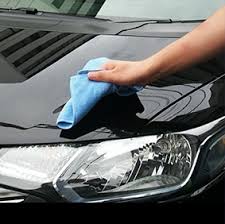
As the automotive industry continues to increase its demand for lightweight, environmental protection and functionality, automotive glass coating resins have become one of the technical focuses of the chemical industry. This type of resin can not only enhance the durability, hydrophobicity and self-cleaning ability of glass, but also reduce energy consumption by optimizing the production process. This article will deeply explore the core technology and market application of automotive glass coating resins to help you stand out in the industry.
Technical advantages of automotive glass coating resin
Superhydrophobic and antifouling performance
Thermosetting acrylic resin and polyurethane resin developed through nanotechnology can form a superhydrophobic surface, effectively repel rain, oil and bird droppings, and significantly improve driving safety. For example, Pachi automotive glass degreasing agent combined with resin coating technology can quickly remove glass blur and form a long-lasting protective film.
Lightweight and environmental protection
PC resin glass (such as SABIC Lexan series) uses plasma coating technology to reduce weight by 50%, while meeting the needs of wear resistance and UV resistance. This type of material is in line with the global carbon reduction trend and is suitable for key components such as sunroofs and rearview mirrors.
Self-cleaning and anti-fog function
Superhydrophilic nano-coatings (such as Huzheng Nano-coatings) can form an antibacterial layer on the glass surface to reduce the frequency of cleaning; anti-fog resins adjust surface tension to prevent condensation from interfering with vision.
Industry applications and market trends
High-end automobile market: Toyota 86GRMN sports car has adopted PC resin glass and plasma coating technology to achieve a balance between lightweight and performance.
Aftermarket services: Nano coating agents (such as Royal Card Crystal Coating Kit) and liquid glass coatings (such as OUHOE nano coatings) have become popular choices for car owners due to their convenient operation and long-lasting effects.
Technical innovation direction: Waterborne polyurethane resins are replacing traditional solvent-based coatings due to their low VOC characteristics and have become the mainstream choice under environmental regulations.
We provide automotive glass coating resin samples, covering thermosetting acrylic, waterborne polyurethane and nanocomposite resin series, supporting performance testing and customized formulation development.