


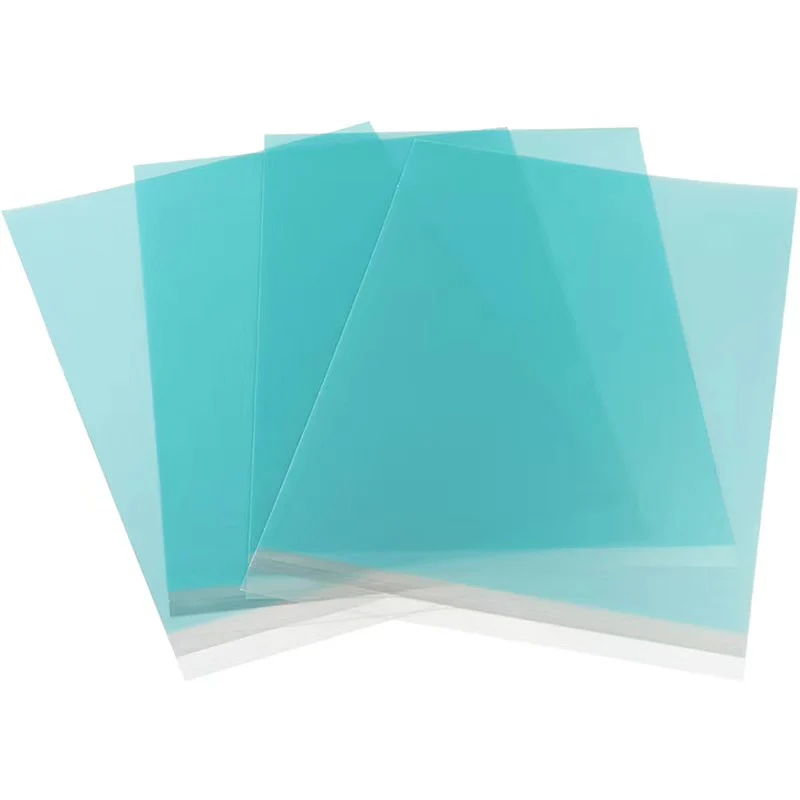
In the display technology and advanced optics sectors, BEF Prism Coating (Brightness Enhancement Film) is a cornerstone for achieving superior luminance and energy efficiency. Shenzhen U-Sunny's T-6601 high-refractive-index UV resin elevates this technology, offering a blend of optical precision, durability, and sustainability. This article explores its innovations, applications, and alignment with next-gen display trends.
1. Technical Breakthroughs of T-6601 High-Refractive-Index Resin
The T-6601 resin is engineered with a refractive index of 1.65–1.70, optimizing light redirection in prism-structured BEF films to achieve >98% visible light transmittance (400–700 nm). Its fluorinated acrylate backbone enhances chemical resistance, preventing degradation from UV exposure and humidity-critical for outdoor displays and automotive panels. Key advancements include:
Rapid UVLED Curing: Full curing in <5 seconds at 385 nm wavelength, reducing thermal stress on PET substrates and enabling high-speed roll-to-roll production.
Ultra-Low Viscosity (80–150 cP): Ensures precise replication of micro-prism structures (pitch: 24–50 μm), minimizing light scattering and maximizing brightness gain.
Eco-Compliance: Solvent-free formulation meets RoHS and REACH standards, reducing VOC emissions by 60% compared to solvent-based alternatives.
2. Applications in Display Technology
LCD/LED Backlight Units: T-6601-based BEF coatings enhance luminance by up to 120% when combined with dual-layer prism films, as seen in 3M's BEF III series5. This is critical for ultra-high-definition TVs and gaming monitors.
Flexible OLEDs: The resin's elongation at break (>70%) supports bendable displays for foldable smartphones, maintaining optical uniformity even after 200,000 folding cycles.
AR/VR Optics: Integrated with Fresnel lenses, T-6601 reduces glare and chromatic aberration, improving immersive experiences in Meta Quest and Apple Vision Pro headsets.
3. Competitive Advantages Over Traditional Solutions
Conventional BEF coatings using PTFE or SiO₂ often face trade-offs between refractive index and flexibility. T-6601 addresses these challenges through:
Nanoparticle Hybridization: Silica-titania composites enhance abrasion resistance (>95% transmittance after 1,000 Taber cycles), ideal for touchscreens.
Adhesion Optimization: Silane coupling agents improve bonding strength with polycarbonate and PMMA substrates, achieving peel resistance >5 N/cm.
4. Future Trends and Sustainability Initiatives
U-Sunny is advancing T-6601 to meet emerging demands:
Bio-Based Formulations: Replacing 40% petrochemical content with plant-derived acrylates, targeting a 50% carbon footprint reduction by 2030.
Smart Optical Tuning: pH-responsive monomers enable dynamic refractive index adjustment (1.60–1.75), adapting to ambient light conditions in adaptive automotive HUDs.
Recyclable Designs: Post-consumer resin recovery systems allow reuse in secondary applications like packaging films, aligning with circular economy principles.
Conclusion
BEF Prism Coating, powered by U-Sunny's T-6601, is redefining brightness enhancement in display technologies. By merging high refractive performance, eco-friendly production, and adaptability to flexible electronics, T-6601 empowers manufacturers to meet evolving consumer and regulatory demands. As mini-LED and micro-LED displays dominate the market, advancements in UV-curable resins will remain pivotal to optical innovation.