


The chemical coatings industry is witnessing a dynamic shift as dual-cure resin and epoxy coatings compete to address diverse industrial demands. Each technology offers unique advantages in curing efficiency, durability, and environmental adaptability. This article explores their differences, applications, and future trends, providing insights for professionals seeking advanced coating solutions.
1. Technology Overview: Mechanisms and Composition
Dual-Cure Resin
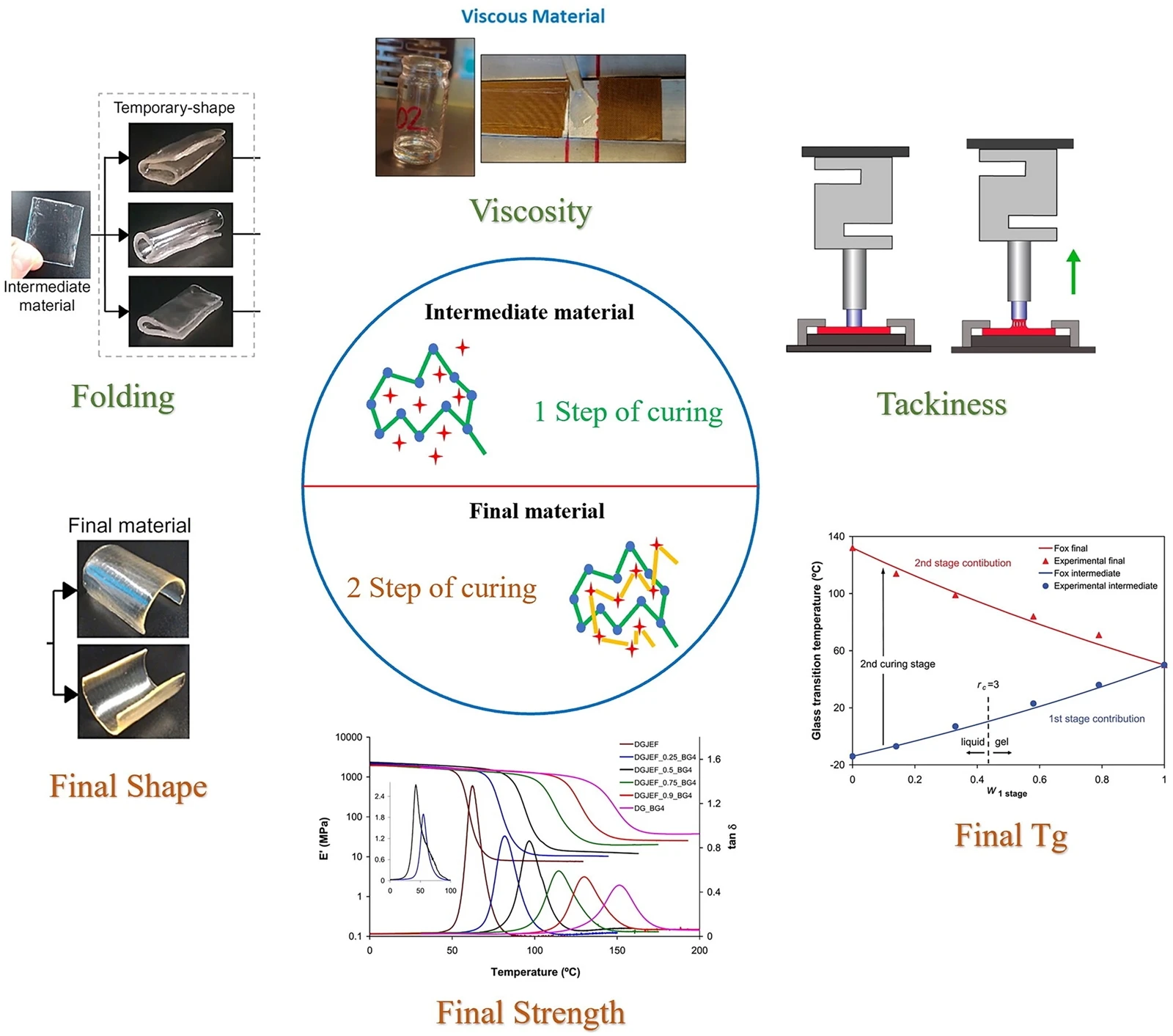
Dual-cure resins combine multiple curing mechanisms, such as UV light and thermal activation, to achieve rapid polymerization and deep curing in complex geometries. For example, some formulations integrate acrylate and epoxy groups, enabling sequential curing: UV light triggers surface hardening, while heat ensures internal cross-linking10. This hybrid approach is ideal for applications requiring precision, such as electronics encapsulation or 3D-printed components.
Key Features:
Adaptability: Suitable for substrates with uneven surfaces or shadowed areas.
Speed: UV curing reduces processing time by 50–70% compared to traditional methods.
Low-Temperature Compatibility: Minimizes thermal stress on heat-sensitive materials like plastics.
Epoxy Coatings
Epoxy coatings rely on a chemical reaction between epoxy resins and curing agents (e.g., amines or anhydrides) to form dense, cross-linked networks. Known for exceptional adhesion and chemical resistance, they dominate industries like construction and automotive, particularly for corrosion protection and flooring.
Key Features:
Mechanical Strength: High hardness (up to 4 on the Mohs scale) and abrasion resistance.
Chemical Inertness: Resists acids, alkalis, and solvents due to stable benzene ring structures.
Versatility: Available in solvent-based, water-based, and powder forms to meet environmental regulations.
2. Performance Comparison: Strengths and Limitations
Curing Efficiency
Dual-Cure Resin: Achieves full curing in minutes through UV/thermal synergy, ideal for high-throughput production. However, precise control of UV exposure and temperature is critical to avoid incomplete reactions.
Epoxy Coatings: Typically require 24–48 hours for ambient curing, though heat acceleration can reduce this to 2–4 hours. Solvent-based formulations may release VOCs, necessitating ventilation systems.
Chemical and Environmental Resistance
Dual-Cure Resin: Excels in moisture resistance and UV stability but may lack the acid resistance of epoxy systems. Innovations like zirconia nanoparticle additives are enhancing performance in harsh environments.
Epoxy Coatings: Superior acid and alkali resistance (e.g., withstands 20% sulfuric acid), making them indispensable in chemical plants. Water-based variants reduce VOC emissions but may compromise durability.
Application Scope
Dual-Cure Resin:
Electronics: Encapsulation of sensors and circuit boards.
Medical Devices: Biocompatible coatings for implants.
Optics: Anti-fog coatings for lenses.
Epoxy Coatings:
Industrial Flooring: High-traffic areas requiring abrasion resistance.
Marine and Automotive: Anti-corrosion undercoatings.
Aerospace: Structural adhesives for composite materials
3. Challenges and Solutions
Dual-Cure Resin
Adhesion Issues: Incompatibility with certain substrates can lead to delamination. Plasma pretreatment or hybrid resin formulations improve bonding.
Cost: High-performance nanoparticles (e.g., Zr-MOFs) increase material costs. Scalable synthesis methods are under development.
Epoxy Coatings
Environmental Impact: Solvent-based formulations face regulatory scrutiny. Waterborne and radiation-cured epoxies are emerging as sustainable alternatives.
Brittleness: Prolonged UV exposure may cause yellowing or cracking. Modifiers like flexible amines enhance toughness.
At U-Sunny , we specialize in cutting-edge dual-cure resins and epoxy coatings tailored for industrial excellence. Our solutions offer: