The global resin market is expected to exceed US$750 billion in 2029, but the industry faces fierce competition and cost pressure. The traditional resin production process is complex, raw material costs account for as much as 92%, and environmental protection policies are becoming stricter. How to reduce costs and improve efficiency by simplifying the production process while meeting high performance and sustainable needs has become a core challenge for chemical companies.
Part I: Technological breakthroughs in simplified resin production
1. Process optimization and cost control
Our simplified production resins use an automated mixing process to reduce manual intervention and achieve a 15% increase in raw material utilization through precise proportioning. For example, in the production of phenolic resins, the production cycle is shortened by 20% by optimizing the reaction conditions of formaldehyde and phenols.
2. High-performance raw material selection
The use of bio-based raw materials to replace traditional petrochemical products (such as plant-based phenols) not only reduces dependence on oil, but also meets the EU's 2030 biorefining goals. The products are ISO-certified and suitable for high-precision fields such as automobiles and electronic packaging.
3. Environmental protection and sustainability
The low VOC (volatile organic compound) formula is used in the production process, which complies with the "Pollution Control Requirements"
, and the waste recovery rate is as high as 90%. For example, our polyester resin reduces wastewater discharge through a closed-loop water circulation system.
Part II: Product Advantages and Application Scenarios
1. Core Product Matrix
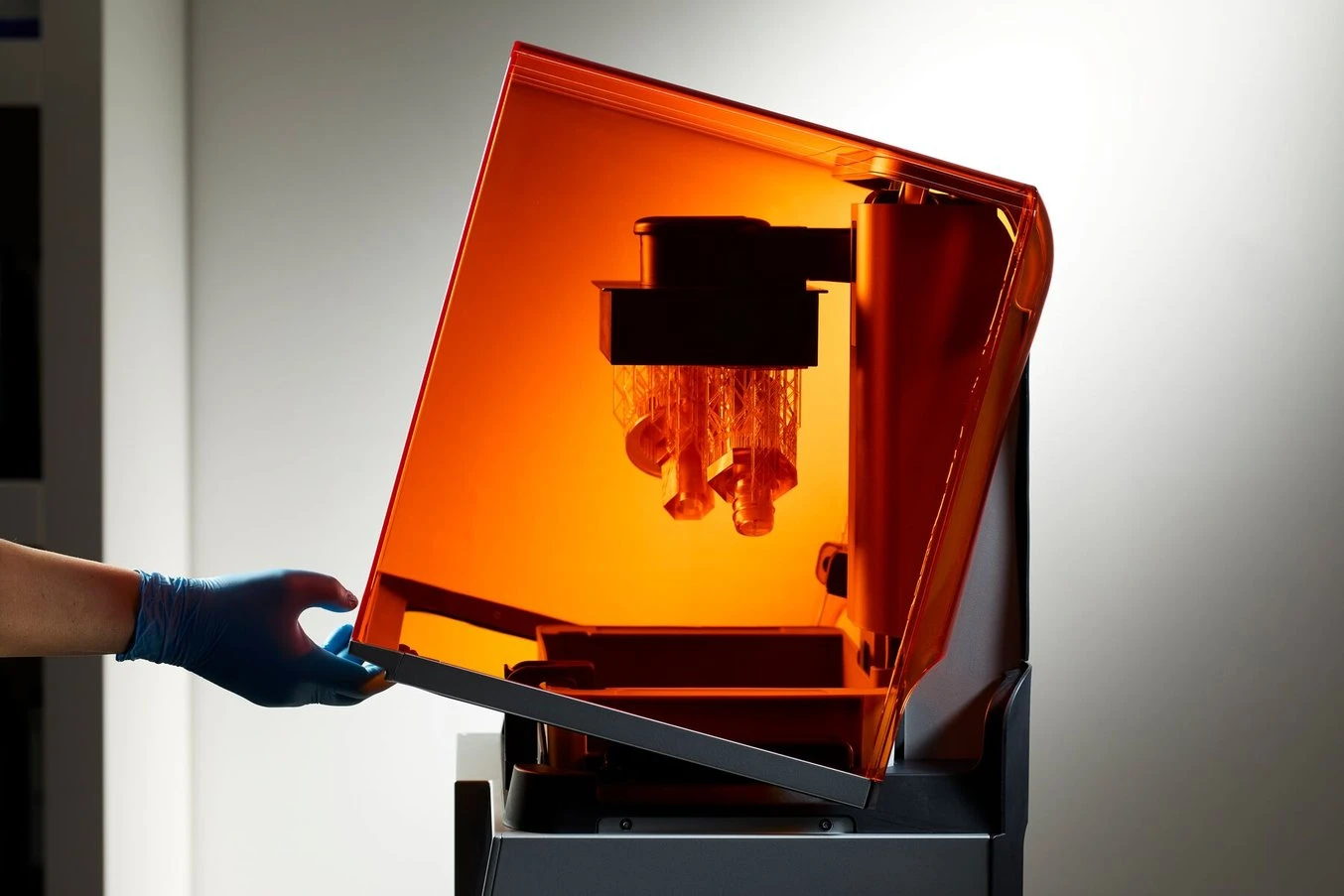
Fast-curing resin: suitable for 3D printing and mold manufacturing, supporting complex structure molding.
High-toughness epoxy resin: used for ships and wind turbine blades, with 30% higher impact resistance.
Bio-based resin: meets food-grade packaging standards and is FDA-certified.
2. Industry Solutions
Automobile Lightweighting: Carbon fiber reinforced resin can replace metal parts and reduce the weight of the vehicle.
Electronic Packaging: High-temperature resistant resin (>200°C) is used for semiconductor packaging, and its thermal stability is better than the industry average.
Part 4: Data-driven and market trust
Industry report citation: Citing data from the "China Resin Chemical Industry Report 2023-2029", emphasizing that China's market share increased by 8.5% annually.
Customer case presentation: An automotive parts manufacturer reduced production costs by 12% by using our resin and obtained German TÜV certification.
Our simplified production resins are centered on technological innovation, taking into account efficiency and environmental protection, helping customers cope with cost and compliance challenges. Contact the technical team now to obtain customized solutions and sample support, and seize the global resin market opportunity!