


In the fast-evolving electronics manufacturing industry, high-temperature UV adhesives have become indispensable for applications requiring precision, durability, and thermal resistance. These adhesives combine ultraviolet (UV) curing technology with exceptional heat tolerance, making them ideal for demanding environments such as automotive electronics, aerospace systems, and microdevice assembly. This article explores the unique advantages of high-temperature UV adhesives, their applications, and introduces U-Sunny's T-7770 UV Resin-a cutting-edge solution for advanced manufacturing needs.
Why High-Temperature UV Adhesives Matter
High-temperature UV adhesives are designed to withstand extreme thermal conditions (up to +350°C) while maintaining strong bonding strength and electrical insulation properties48. Unlike traditional adhesives, they cure rapidly under UV light-often within seconds-enabling high-speed production lines and reducing assembly time. Key benefits include:
Thermal Stability: Resists deformation and maintains integrity in high-heat environments, such as automotive engine compartments or aerospace systems.
Electrical Insulation: Protects sensitive components from current leakage and electromagnetic interference.
Environmental Resistance: Offers superior moisture, corrosion, and chemical resistance, critical for medical devices and industrial equipment.
Precision Application: Ideal for microelectronics and fine components due to low viscosity and controlled flow properties.
Applications Across Industries
1. Automotive Electronics
High-temperature UV adhesives are used to secure wire harnesses, sensors, and circuit boards in vehicles. Their ability to endure vibrations and temperatures up to +260°C ensures reliability in harsh conditions.
2. Aerospace and Defense
In avionics and satellite systems, these adhesives bond optical instruments and semiconductor components, providing lightweight yet durable solutions that survive extreme thermal cycling.
3. Medical Devices
UV adhesives enable sterile, waterproof seals for surgical tools and implantable devices. Their biocompatibility and resistance to sterilization processes make them a top choice.
4. Consumer Electronics
From smartphone cameras to LED displays, UV adhesives ensure precise bonding of delicate parts while enhancing aesthetic appeal with high transparency.
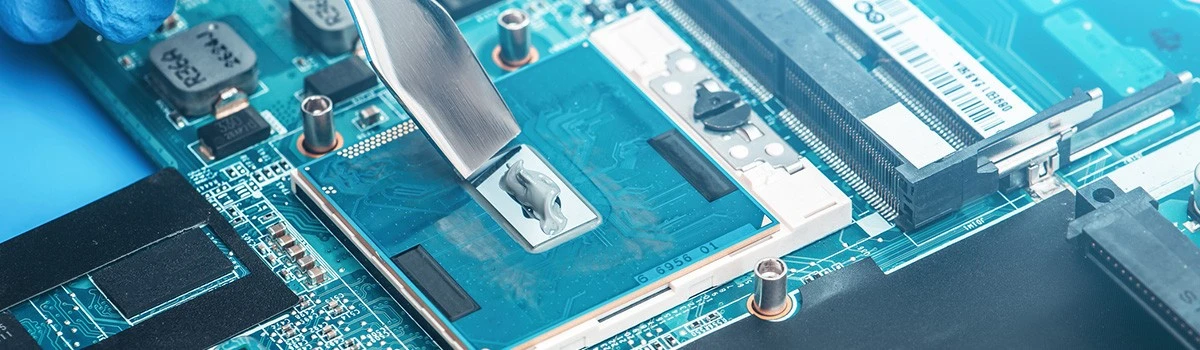
Spotlight: U-Sunny's T-7770 UV Resin
U-Sunny T-7770 is a breakthrough in high-temperature UV adhesive technology, tailored for electronics requiring unmatched thermal and mechanical performance.
Key Features:
Temperature Resistance: Operates seamlessly from -60°C to +350°C, making it suitable for aerospace and automotive applications.
Rapid Curing: Achieves full cure in 1–5 minutes under UV light (280–400 nm wavelength), compatible with automated production lines.
Versatile Bonding: Adheres to metals, ceramics, glass, and composites, with a tensile strength of 28 MPa and Shore D hardness of 80.
Chemical Inertness: Resists acids, alkalis, and solvents, ensuring longevity in corrosive environments.
Integration with Other Materials:
The T-7770 resin synergizes with UV-curable inks and pressure-sensitive adhesives (PSAs) to create multifunctional assemblies. For example, it can bond circuit boards while UV inks print conductive traces, streamlining manufacturing processes.
Future Trends and Sustainability
As industries prioritize eco-friendly solutions, solvent-free UV adhesives like T-7770 reduce volatile organic compound (VOC) emissions and align with global sustainability goals. Innovations such as vacuum UV spraying further enhance coating uniformity and efficiency, minimizing waste.