


1. Three major technical barriers and breakthrough paths for plastic UV inkjet
1. Adhesion dilemma: bonding challenges of non-polar substrates
Molecular polarity mismatch: Plastics such as PP/PE have low surface energy (only 30-35 dynes/cm), and traditional UV inks are difficult to form effective chemical bonds, resulting in a 100-grid test shedding rate of >35%.
T-7118 solution:
Introducing chlorinated polyolefin-modified acrylates, anchoring the non-polar plastic surface through chlorine atoms, so that the adhesion of PP substrates reaches 5B level (ASTM D3359).
Building a hydrogen bond-van der Waals force synergistic network, the PE surface peel strength is increased to 3.8 N/mm (240% higher than traditional resins).
2. Oxygen inhibition: incomplete surface curing
T-7118 adopts a cation-free radical hybrid curing system:
The cationic component (epoxy monomer) is not inhibited by oxygen, ensuring deep crosslinking;
The free radical chain segment is embedded in the tertiary amine group, and the free radical is continuously regenerated to offset oxygen quenching, completely eliminating the surface sticky layer.
2. T-7118 resin: multi-scenario performance verification
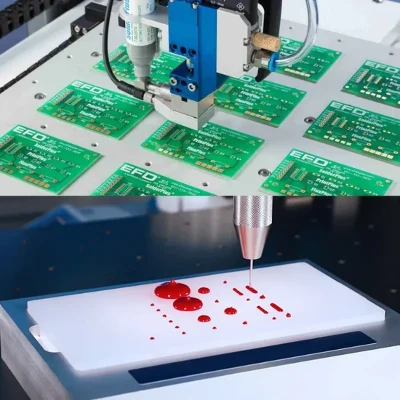
1. Plastic inkjet printing: high adhesion and precision imaging
Automotive parts identification: Direct printing on the surface of PP bumper, oil resistance > 500 times (ISO 2812-2), replacing the traditional thermal transfer process.
Degradable packaging film: coated on PLA/PBAT composite film, biomass content > 40%, passed the ink-substrate synergistic degradation certification (EN 13432).
2. Industrial pressure-sensitive adhesive label
10 seconds high-speed curing: coated on PET release film, 1000 mJ/cm² UV irradiation after > 72 hours of adhesion (60℃/85%RH).
Low viscosity advantage: suitable for rotary coating process, bubble defect rate is reduced to < 0.1% (industry average > 2%).
3. Precision bonding of electronic devices
Micro-gap filling ability: penetrate 0.05mm gap, used for camera module FPC bonding, shear strength > 15MPa.
Low thermal expansion coefficient: CTE value 50 ppm/℃, which can solve the cracking of the adhesive layer caused by thermal cycling from -40℃ to 85℃.
3. Technology extension: from inkjet ink to functional bonding
1. Upgraded chemical resistance
Adding fluorine-modified acrylate makes plastic ink have:
Ethanol wiping resistance > 1000 times (GB/T 23989)
Artificial sweat resistance (pH 4.7) > 240 hours (ISO 105-E04)
2. UV-moisture dual-curing extension
After light exposure, it absorbs environmental moisture to deepen cross-linking, which is suitable for humidity-sensitive scenes such as medical catheters.
The curing shrinkage rate is reduced to < 3% (conventional UV resin > 8%), reducing the warping of plastic substrates.
4. Future Direction: Intelligent and Green Manufacturing
AI-driven viscosity control: real-time monitoring of resin viscosity fluctuations (±50 cps), automatic adjustment of temperature and shear rate, and ensuring continuous printing stability.
Scale-up of bio-based monomers: coupling itaconate and acrylic epoxy soybean oil, reducing carbon footprint by 60% (ISO 14067 certification).
The encounter between UV inkjet resin and plastic was once a dilemma of adhesion and precision; today, T-7118 penetrates technical barriers with low-viscosity flow and builds a solid anchor at the molecular scale.
From packaging color printing to electronic micro-bonding, from degradable labels to automotive logos - every drop of precisely placed UV ink is reshaping the visual and functional boundaries of plastics.
Shenzhen U-Sunny T-7118 low-viscosity UV resin, with three core breakthroughs of superfluidity, extreme adhesion, and anti-oxidation inhibition, provides high-reliability solutions for plastic inkjet inks, pressure-sensitive adhesives, and electronic adhesives, and promotes the green upgrade of precision manufacturing.