


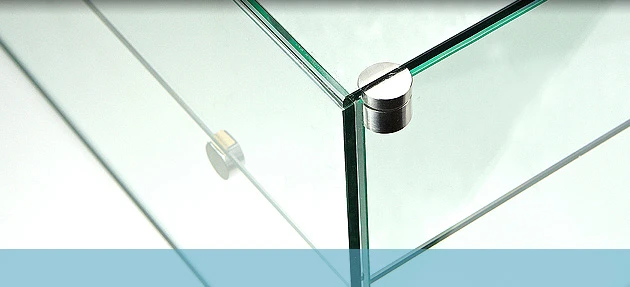
In the fields of electronics, automobiles and high-end decoration, reliable bonding of metal to glass is a core challenge in the manufacturing process. Traditional adhesives are difficult to balance transparency, weather resistance and strength, but Metal to glass UV bonding adhesive has achieved a breakthrough through ultraviolet curing technology. This type of adhesive is based on UV resin and can form a high-strength bond within seconds, which is particularly suitable for the packaging and assembly of precision components.
1. The technical core of UV adhesive: light-curing resin
The performance of UV adhesive depends on its core component - UV resin. This type of resin undergoes polymerization reaction under the triggering of ultraviolet light to form a dense cross-linked network. Among them:
Epoxy acrylate resin provides high hardness and chemical resistance
Polyurethane acrylate resin provides flexibility and impact resistance
Shenzhen U-Sunny T-7130 resin is specially designed for metal/glass bonding, with a low acid value of ≤5mg KOH/g, a viscosity of 15,000mPa.s and a solid content of 100%, and can achieve 5B grade adhesion on difficult-to-bond surfaces such as glass and stainless steel without pretreatment.
2. Beyond bonding: innovative applications in inks and pressure-sensitive adhesives
UV resin technology is driving innovation in multiple fields:
UV ink field
T-7130 resin can be used as a base material for metal printing inks. Its high pigment wettability supports the addition of more than 50% fillers. After curing, it is resistant to cooking and scratching, and is suitable for printing on food packaging cans.
Upgrade of pressure-sensitive adhesives
By adding UV-curable acrylate prepolymers (such as UVA505), high-temperature resistant pressure-sensitive adhesive tapes can be developed for automotive glass film to achieve instant positioning and lasting adhesion.
Vacuum electroplating coating
As an electroplating primer, T-7130 forms a dense film layer under 800mJ/cm² UV energy, solving the adhesion problem between the metal coating and the glass substrate and avoiding the "colorful fogging" defect.
Shenzhen U-Sunny has optimized the molecular structure (MW1800, Tg 15℃) to ensure that T-7130 has a 40% elongation at break while maintaining a working viscosity of 15,000mPa.s, perfectly balancing workability and toughness.
Conclusion
As UV curing technology evolves towards green and high efficiency, metal glass bonding adhesive has developed from a single bonding tool to a multifunctional material platform. Shenzhen U-Sunny's T-7130 resin, with its high adhesion without pre-treatment, is promoting cross-domain innovation in UV adhesives, inks and pressure-sensitive adhesives, providing Chinese solutions for precision manufacturing. For more product information, please visit the U-Sunny Technology Center to obtain test samples and formulation guidelines.