


Definition and characteristics of low viscosity acrylate monomer
Low viscosity acrylate monomer (Low Viscosity Acrylate Monomer) is a type of photocurable material with low molecular weight and strong fluidity. Its viscosity is usually between 5-200 mPa·s (25°C), and it plays an irreplaceable role in the fields of chemicals, coatings, inks and adhesives. The core advantages of this type of monomer are:
Efficient dilution ability: As a reactive diluent, it can significantly reduce the viscosity of the formulation system and improve processing fluidity. It is suitable for high-precision processes such as spraying and screen printing.
Fast curing performance: Achieve curing in seconds under UV/EB (electron beam) conditions, greatly improving production efficiency.
Environmental friendliness: Low volatile organic compound (VOC) content, in line with global environmental regulations.
Shenzhen U-Sunny's AM-321 product is a typical representative of this type of material. Its design combines low viscosity (about 130-170 mPa·s), and it is particularly outstanding in the fields of optical coatings and electronic packaging.
Multi-industry application scenarios and technical advantages
1. Chemical and coating industry
In UV-curing coatings, low-viscosity acrylate monomers significantly reduce coating shrinkage and improve adhesion by reducing the use of traditional solvents. For example, monofunctional monomers (such as PHEA) can optimize the leveling of the resin system, while difunctional monomers (such as HDDA) enhance the wear resistance and chemical resistance of the coating. U-Sunny AM-321 is widely used in automotive varnishes and architectural protective coatings due to its high transparency and low yellowing properties, supporting long-term outdoor weathering requirements.
2. Ink and printing technology
The ink industry is extremely sensitive to viscosity control. Low-viscosity acrylate monomers (such as DCPD acrylate) ensure the fineness of inkjet printing, while improving ink stability through nano-scale pigment dispersion technology (particle size <100 nm). AM-321's fast curing performance in digital printing makes it suitable for high-resolution labels and flexible electronic circuit inks, and the curing time is shortened by more than 30% compared with traditional formulas.
3. Adhesives and sealants
In the adhesive field, bifunctional monomers solve the internal stress problem of highly cross-linked materials by balancing bonding strength and flexibility. The low shrinkage and high toughness of U-Sunny AM-321 make it an ideal choice for electronic device packaging and medical patches.
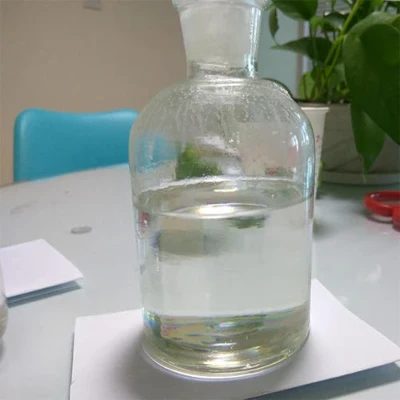
Core Competitiveness of Shenzhen U-Sunny AM-321
As an innovative material designed for optical and electronic applications, AM-321 has the following technical advantages:
Excellent optical performance: high refractive index and ultra-low haze, suitable for AR/VR lenses and display films.
Wide process adaptability: compatible with LED-UV and traditional mercury lamp curing systems, supporting from micron-level 3D printing to large-scale roll-to-roll production.
Sustainable development: developed using bio-based raw materials, reducing dependence on petrochemical resources and meeting carbon neutrality goals.
With the popularization of 5G communications and flexible electronic technology, the demand for low-viscosity acrylate monomers will continue to grow. Shenzhen U-Sunny promotes the application of AM-321 in corrosion resistance, scratch resistance and other scenarios by integrating self-healing coating technology (such as T-6139 fluorinated resin) and multifunctional nano-additives. It is expected that by 2026, the global photocurable resin market will expand at an annual compound growth rate of 18.5%, and U-Sunny's technical reserves will help companies seize this blue ocean market.