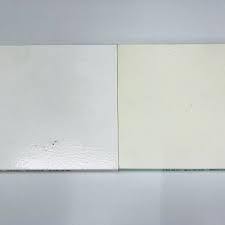
In the field of outdoor furniture, automotive coatings or building exterior walls, traditional coatings often turn yellow due to ultraviolet rays, oxidation or chemical corrosion, seriously affecting the appearance and service life. Non-yellowing coatings are becoming a popular choice in the industrial and civil markets due to their unique anti-aging properties. This article will deeply analyze its core technology, application scenarios and purchase points to help you fully understand this innovative material.
1. Three major technical advantages of non-yellowing coatings
UV resistance and weather resistance
The core of non-yellowing coatings is the addition of nano-level anti-aging ingredients. For example, Nano ZnO can effectively absorb ultraviolet rays and reduce photo-oxidation reactions. Experimental data show that the coating with 35% nano ZnO added has a yellowing index reduced by more than 60% in the accelerated aging test
In addition, some high-end formulas (such as Colanyl Oxide Yellow R 532) have a light resistance of level 8 (DIN standard), and the color remains stable even after exposure to temperate climates for 12 months.
Chemical corrosion resistance and thermal stability
By optimizing the ratio of resin substrate and pigment, non-yellowing coatings can withstand corrosion from acids, alkalis, solvents, etc. For example, the acid resistance test of a certain type of coating shows that its overspray tolerance temperature is as high as 180°C, and the ingredients contain stabilizers such as butanol and methyl ethyl ketone to ensure that the coating does not yellow in harsh environments.
Environmentally friendly and low VOC formula
Modern non-yellowing paints generally use water-based systems, with a volatile organic compound (VOC) content of less than 200 ppm, which meets EU environmental standards. For example, a product has a total solid content of 78%, with water-based accounting for 22%, taking into account both performance and environmental protection.
2. Four major application scenarios
Automotive industry: as a primer or topcoat, used for car body phosphating treatment (thickness 1-10 g/m²) to prevent metal oxidation and improve topcoat adhesion.
Home building materials: suitable for doors, windows, outdoor furniture, products with weather resistance level 5 or above can resist rain and ultraviolet rays.
Industrial equipment: in high temperature and high humidity environments (such as chemical plants), the coating must pass the acid and alkali resistance test (pH 3-11).
Electronic components: low volatility formula avoids contamination of precision devices, and thermal stability is above 160°C.
As environmental regulations become stricter, non-yellowing coatings will develop towards lower VOC and higher weather resistance. Enterprises need to comprehensively consider performance, cost and certification when purchasing, and give priority to suppliers who provide customized formulas. Consult a professional team now, get a free sample test, and experience the excellent performance of non-yellowing coatings!