In the fields of industrial coatings, electronic packaging and composite materials, adhesion promoters are core materials for improving the adhesion between coatings and substrates. As environmental regulations become stricter and market demand increases, silicone-free adhesion promoters are becoming the new favorite in the industry due to their high performance and green characteristics. This article will deeply analyze its technical advantages, application scenarios and selection strategies to help you grasp the market trend.
Technical advantages of silicone-free adhesion promoters
Traditional silicone-based adhesion promoters (such as KH 560, Z-6020, etc.) rely on siloxane structures to improve adhesion, but they are prone to residue, high cost, and poor compatibility in some scenarios. Silicon-free adhesion promoters achieve better interfacial bonding through alternatives such as modified unsaturated polyester resins (PEAP) or epoxy functionalized polymers. For example, the PEAP 1600 series developed by Evonik can reduce viscosity in high-solid coatings while improving impact and corrosion resistance without solvent dilution.
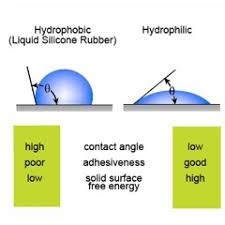
Studies have shown that silicone-free systems have excellent adhesion on substrates such as metals and plastics (such as TPO, PP), with a dynamic contact angle of up to 164.9°, far exceeding traditional silicone-based products. In addition, its molecular structure design is flexible, and it can enhance interfacial bonding through multiple mechanisms such as hydrogen bonds and chemical bonds, avoiding coating defects caused by silicon migration.
Core application areas
Electronic packaging: LED encapsulation glue needs to maintain stability in high temperature and high humidity environments. Silicon-free adhesion promoters can significantly improve the bonding strength between encapsulation glue and brackets by optimizing the formula, and pass the 1008-hour wet heat aging test to eliminate the problem of red ink penetration.
Automotive coatings: The company's products are designed for plastic parts. By pre-treating the surface of the substrate, the adhesion of the polyurethane coating is enhanced, and it meets VOC emission standards.
Environmentally friendly coatings: In water-based high-solid coatings, silicone-free additives can not only reduce viscosity, but also reduce the use of solvents to meet the requirements of EU REACH regulations.
Silicone-free adhesion promoters are reshaping the bonding technology landscape with their environmental friendliness, versatility and economy. Enterprises need to keep up with technological trends and choose suitable solutions based on their own process requirements. Consult professional suppliers now to obtain customized solutions to make your products more competitive!