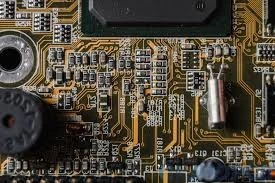
As the trend of miniaturization and high-density integration of electronic devices accelerates, Wave Soldering PCB Resin plays a core role in the manufacture of printed circuit boards (PCBs). This article deeply analyzes the technological development and market prospects in this field from the perspectives of material properties, process adaptability, industry pain points, and U-Sunny's innovative solutions.
1. Core requirements of wave soldering process for PCB resin
Wave soldering is a key high-temperature soldering process in PCB assembly. Its temperature peak can reach above 260°C, which places strict requirements on the heat resistance, mechanical stability and environmental protection of the resin substrate.
High temperature resistance: The resin needs to maintain structural stability at 260°C for at least 10 seconds to avoid delamination or deformation.
Low dielectric loss: High-frequency signal transmission requires the resin dielectric constant (Dk) to be less than 3.5 and the loss factor (Df) to be less than 0.00514.
Environmental compliance: It must comply with RoHS 3.0 and REACH regulations to limit the use of halogen and phosphorus flame retardants.
2. Innovative advantages of U-Sunny Wave Soldering PCB Resin
As a leading company in the chemical industry, the Trust series resin developed by U-Sunny has become an ideal choice for wave soldering process through the following technological breakthroughs:
Heat-resistant enhanced formula
Using methacrylate cross-linking technology, the temperature resistance level is increased to 280°C, and the heat deformation temperature (HDT) reaches 220°C, which significantly reduces the risk of warping during welding.
Nano-composite reinforcement technology
Adding silica nanoparticles (particle size ≤ 50nm) reduces the coefficient of thermal expansion (CTE) to 12×10⁻⁶/℃, which is more compatible with the CTE of copper foil (17×10⁻⁶/℃) and reduces thermal stress cracks.
Green production process
Through the solvent-free synthesis process, VOC emissions are reduced by 80%, and ISO 14001 environmental management system certification has been passed.
3. Industry application scenarios and typical cases
Consumer electronics
Applied to smartphone motherboards, U-Sunny Trust-7128 resin achieves 99.7% soldering yield in 0.4mm ultra-thin PCBs, 15% higher than traditional epoxy resins.
Automotive electronics
High temperature resistant resins are used in vehicle ECU modules and have passed 1000 cycles of tests from -40°C to 150°C without delamination failure.
Industrial equipment
In 5G base station high-frequency PCBs, WR-220's dielectric loss (Df=0.003) supports 28GHz millimeter wave transmission, reducing signal attenuation by 30%.
With its new series of products, U-Sunny is leading the wave soldering resin to the direction of high performance and sustainability. If you need to know more about the resin test report or custom development needs, you can visit the company's official website to obtain the technical white paper.