


In the fields of packaging, electronics, and medical, reusable pressure-sensitive adhesives are becoming the focus of the industry due to their efficient bonding and environmentally friendly characteristics. This article will deeply analyze its technical principles and application scenarios, and focus on how U-Sunny's T-7333 pressure-sensitive adhesive resin promotes innovation in the fields of inks, adhesives, etc.
1. Core characteristics of reusable pressure-sensitive adhesive
Reusable pressure-sensitive adhesive achieves the characteristics of "light pressure, non-destructive peeling" through special polymer formula design. Its core advantages include:
Instant bonding: No heat source or solvent is required, only light pressure is needed to form a stable bonding force.
Reversible adhesion: supports multiple peeling and repeated pasting, and no residual glue stains, suitable for temporary fixing scenes such as labels and protective films.
Environmental adaptability: weather resistance, UV resistance and wide temperature range performance (-45°C to 90°C), suitable for outdoor and extreme environments.
Multi-substrate compatibility: can bond a variety of materials such as plastics, metals, wood, etc., expanding the boundaries of industrial applications.
2. Industry application: innovative scenarios from ink to adhesive
Printing ink field
UV-cured pressure-sensitive adhesive has become a trend due to its environmentally friendly characteristics (low VOC, solvent-free). UV ink with T-7333 resin significantly improves the adhesion of plastic film, while reducing the curing shrinkage and avoiding cracking of the printing layer.
Adhesives and tapes
In medical tapes, electronic component fixation and other scenarios, reusable pressure-sensitive adhesives can ensure bonding strength while not damaging skin or delicate parts when removed. For example, T-7333 resin as the main material, its high cohesion and flexibility allow the tape to be reused more than 50 times.
Functional coatings
When used for vacuum-plated metal protective layers, T-7333 resin extends the coating life by enhancing water resistance and interlayer adhesion.
3. U-Sunny T-7333 resin: technical parameters and competitive advantages
As a difunctional aliphatic polyurethane acrylate, T-7333 resin has achieved multiple breakthroughs in performance:
Improved adhesion: The active group forms a strong interaction with the substrate, the elongation at break is 85%, and stress deformation is reduced.
Excellent temperature resistance: The glass transition temperature (Tg) is as low as -45°C, and it can adapt to -50°C to 200°C environment.
Environmentally friendly and process-friendly: Low viscosity (8000cPa·s) simplifies the processing flow, and the water-white transparent properties meet the needs of optical-grade applications.
Multi-field adaptation: Compatible with polyester, epoxy resin, etc., supporting customized formula design.
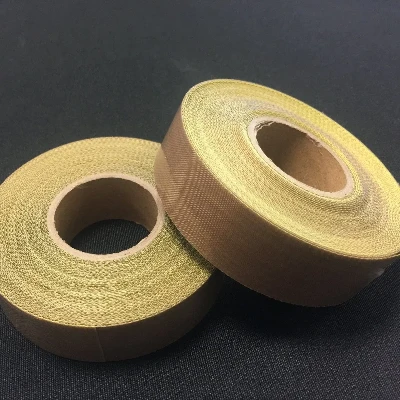
https://www.uychem.com/uv-resin/pressure-sensitive-uv-resin/pressure-sensitive-low-shrinkage-uv-resin.html
4. Market trends and sustainable development
The global pressure-sensitive adhesive market size is expected to grow from 66.397 billion yuan in 2023 to 82.651 billion yuan in 2029, with a compound annual growth rate of 2.9%. Future development directions include:
Environmentally friendly: The proportion of water-based, solvent-free and bio-based pressure-sensitive adhesives will increase.
Functionalization: Conductive, antibacterial, self-healing and other properties meet the high-end needs of electronics and medical care.
Intelligent: "Smart adhesives" that respond to environmental changes promote innovation in smart wearables and packaging.
T-7333 resin precisely matches the trend of green manufacturing through low shrinkage, high light transmittance and biodegradable raw materials.
The technological innovation of reusable pressure-sensitive adhesives is reshaping industrial bonding solutions. U-Sunny's T-7333 resin has become a benchmark product in the fields of inks, tapes, etc. with its high performance and environmental advantages. As the market demand for sustainability and functionality grows, such innovative materials will continue to drive industry upgrades.