


Anthraquinone Derivatives
The main absorption peak of PAS-33 sensitizer is at 410nm, and the longest can be extended to 470nm, so it is an extremely effective cationic sensitizer. The curing rate of the cationic curing system initiated by PAS-33 is completely the same as that of the free radical system. It has good compatibility and high cost performance, and plays a more active role in the curing of cationic colored systems and thick film deep curing applications.
In organic chemical synthesis, photosensitive sensitizers can be used to initiate or accelerate certain photochemical reactions to synthesize specific organic compounds. In biotechnology, photosensitive sensitizers are used in applications such as biomolecular labeling, drug delivery, and biosensors for molecular and cellular research. Photosensitizers are used to accelerate the photocuring process in coatings, inks, adhesives, 3D printing and microelectronics manufacturing. They absorb light and cause materials to quickly harden or cross-link, increasing production efficiency.
|
Type |
Chemocal Name |
Viscosity Cps (at 25℃) |
Molecular weight g/mol |
Proportion g/ml, at 25℃ |
Form of supply |
|
|
PAS 33 |
Anthraquinone derivatives |
150 |
220 |
1.02 |
Light yellow liquid |
|

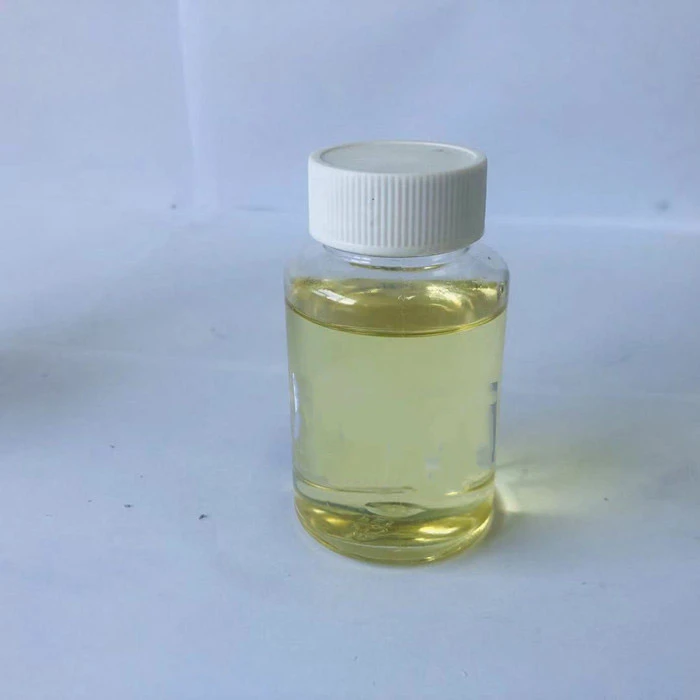
Anthraquinone derivatives
F&Q
F: What are the characteristics of anthraquinone derivatives?
Q: Widely used, green and environmentally friendly, can be recycled, and specific for reactions
F: Any precautions?
Q: Wear gloves and goggles when using it, and pour it into organic waste after use.


